
Planning your next creative getaway? Consider the Edinburgh Festival Fringe, the largest and most well-known art festival. In August, the capital city of Scotland transforms into an international stage filled through the night with thousands of live performances by performers of every genre. From groundbreaking theatre and hilarious comedy to captivating live music and dance The Fringe is truly a unique celebration of freedom in the arts. This guide will dig into the festival’s rich background, outline the must-see performances, and equip all the info that you’ll need to take advantage of this memorable event with ease. Be ready to discover the Scottish artistic scene!
The Origins of the Edinburgh Festival Fringe
The history of the Fringe is one of awe-inspiring rebelliousness and the power of grassroots. The story started in 1947, following the Second World War. It was the year that Edinburgh International Festival was founded with a noble goal to bring people together through the arts and to revive European culture. It was an official, carefully planned event that brought top performers to take part in the city’s magnificent theatres and concert halls.
However, eight theatre companies that were not invited to the main event, decided instead to go to Edinburgh to stage their own shows along the sidelines. They staged their shows in smaller, unorthodox spaces, essentially in what was the “fringe” of the main festival. This defiance tactic was so successful, it started a new tradition. Each year, more more artists followed their lead and the unofficial gathering of artists became an enormous and vibrant counter-festival.
In 1958 it was in the year 1958 that Edinburgh Festival Fringe Society was established to provide support and guidance to the increasing amount of artists, all the while keeping the fundamental principle of free access. The fact that anyone who has an event and a venue is eligible to be part of the Fringe is what makes it a distinct and democratic space for performing arts.
What Makes the Fringe Unique
The Edinburgh Festival Fringe stands apart from other festivals of the arts for several reasons. The most distinctive feature is its open-access character. There’s no curatorial or selection panel. If you are able to get a space for a performance then you’re a part of the lineup. This policy encourages a wide variety of artistic styles, from small-scale student groups to well-known household names testing new materials.
The variety of shows is astounding. The Fringe program includes an extensive phonebook of performances, ranging from classic theatre to experimental performances to stand-up comedy and cabaret, as well as circus, children’s shows spoken word, and much more. One day could see you enjoying an epic Shakespearean tragedy in a historical theatre and then a one-person clown show in the basement of a pub and an satire about politics on the bus that was repurposed.
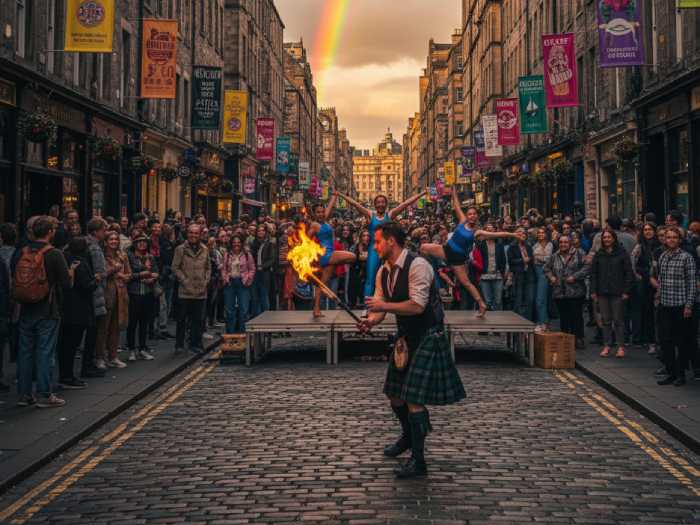
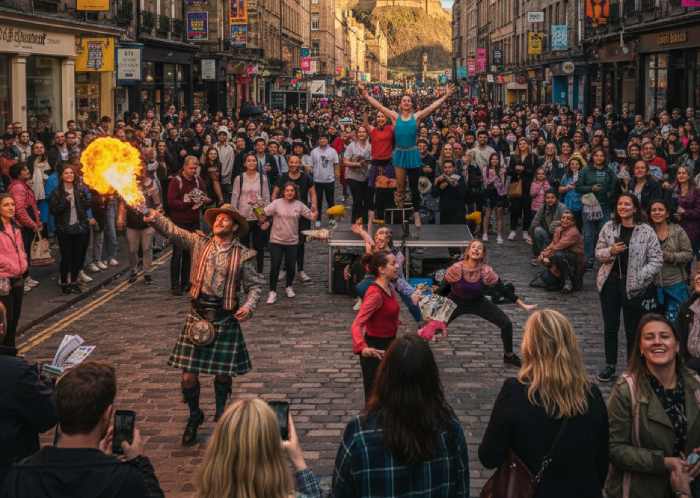
This freedom of expression extends to venues as well. The festival is centered around major hubs, such as those at the Pleasance Courtyard and Assembly Rooms Shows are performed everywhere in the city. The shows are held in classrooms, churches underground caves, shipping containers too. The streets, particularly those famous as the Royal Mile, become a stage for street artists, as well as performers passing out flyers. All of this adds to the carnival-like, electric environment.
Highlights of the Edinburgh Festival Fringe
If you’re a first-timer the sheer amount of choices can seem overwhelming. However, a few smart options can help you get through the confusion and uncover some of the most enjoyable experience.
Must-see Categories: Although every genre is worth investigating but the Fringe is famous due to it’s comics as well as theater. It’s also been the launch platform for countless comedians and the category of theatre is often filled with innovative, thought-provoking work. Comedy as well as Circus shows also provide the most thrilling and thrilling experiences.
The “Next Big Thing” The Fringe is a well-known place for helping launch careers. Many of the most famous stars of today such as Rowan Atkinson and Stephen Fry to Phoebe Wallace-Bridge has performed some of their first work here. Consider putting your faith in undiscovered artists You might get to witness the birth of a new worldwide phenomenon.
Street Performers as well as Free shows: Don’t limit yourself to shows that require tickets. In the streets of Edinburgh and those on the Royal Mile, are a celebration in and of themselves. There is a wide range of street performers, ranging from acrobats and fire-eaters to magicians and musicians at no cost. It is worth it “Free Fringe” and “Pay What You Can” shows provide a great opportunity to experience a broad selection of performances with the budget.
Planning Your Visit to the Fringe
The success of a Fringe experience takes a bit of planning, particularly in terms of logistics.
The best time to go: The festival is scheduled throughout August. The first week of August is usually the best time to visit since it’s less congested and you can get previews of the shows at lower costs. The weekend that follows is full of excitement and awards, but it’s also the most crowded.
What’s the length of time you can spend?: In order to really experience the festival and experience it, a long week (3-4 weeks) is a good way to get started. To get a deeper understanding into the festival, a whole week or more can allow you to experience a greater selection of shows, and also discover cities at a comfortable pace.
Tickets and apps: This official Fringe app can be an essential tool. It allows you to browse the entire show, sort by the genre, date, and the location, and purchase tickets from your mobile device. Its central Fringe box office located at The Royal Mile is also a fantastic source. While reserving popular shows ahead of time is advisable but be sure to allow for spontaneous options based on word of mouth suggestions.
Travel & Accommodation Tips
Edinburgh during August can be a busy city, therefore making sure you book your accommodation and travel in advance is essential.
How to Get To Edinburgh: Edinburgh is easily accessible via train, air and buses. Edinburgh International Airport (EDI) offers both international and domestic flights. The main train station of the city, Waverley, is centrally situated and has direct connections to important UK cities. Planning your travel plans in advance could save you substantial amounts of dollars.
Where to stay: The cost of accommodation can skyrocket in the course of the event. Hotels as well as hostels and Airbnbs can be booked months ahead of time. If you want to find a cost-effective alternative, think about staying a bit away from the city’s center for example, located in Leith as well as Leith or the New Town, and using public transportation to travel to and from. Student housing is often transformed into temporary homes for the duration of festivals, offering an additional option for those looking to save money.
Moving around the City: When there is a Festival, walking usually the best way to navigate in the Old Town and between venues. Be ready for cobblestone streets. In addition, the city has an a great tram and bus networks for long distances. Taxis and ride sharing services are available, but may be highly sought-after.
Food, Drink & Local Experience
The Fringe isn’t just about performances; it’s an all-sensory experience that includes the food scene.
Fest Food: The major festival hubs such as George Square Gardens and the Pleasance Courtyard are packed with food stalls with pop-up stands that offer all kinds of gourmet burgers and street food from around the world. These are fantastic places for an en route snack between shows.
Exploring Edinburgh’s bars and Nightlife: The bars and pubs around the city are alive at the time of the Edinburgh Fringe. A lot of them host small shows and open-mic evenings. A drink at a classic pub such as The Royal Oak or a cocktail in a lively location is a fantastic option to unwind after a busy day.
Scottish culture: Take advantage of your trip to get a taste of the wider Scottish culture. Experience the traditional Scottish dinner of haggis, neeps and tatties or stop by the whisky bar to try the nation’s whisky. It’s the Royal Mile itself is a storehouse of traditional tartan bars, traditional shops and historic sites.
Budget-Friendly Fringe Experience
The Fringe does not have to cost you a fortune.
Free Fringe Events: Find the “Free Fringe” and “Pay What You Can” shows. These shows, usually hosted in pubs, offer performances at no cost in advance. Instead, you are able to donate whatever you feel the show is worth at the time of leaving. This is an excellent opportunity to experience a vast array of artwork at the price of a small amount.
Reduced Tickets: The Half-Price Hut located at the Mound Precinct is a must-visit every day to purchase last-minute, discounted tickets to shows. A lot of shows provide discounts on preview tickets within the first few weeks of festival.
The Fringe App and Flyering: The official Fringe application is great for finding bargains. Don’t be afraid of the people giving out flyers along the streets–they usually have discounts coupons or deals that are two-for-one. An informal chat can help you find your next favourite show.
Beyond the Festival: Exploring Edinburgh
Even though you’re there, and the Fringe will be the primary draw but don’t forget to relax and discover the gorgeous Edinburgh city. Edinburgh.
iconic landmarks: A day to visit the magnificent Edinburgh Castle, stroll along the historical Royal Mile, and climb up Arthur’s Seat to enjoy breathtaking views of the city.
Museums and Galleries: Edinburgh boasts a wealth of museums and galleries that are free including museums like the National Museum of Scotland and the Scottish National Gallery.
Day trips: If you’ve got more time, think about an excursion for a day in The Scottish Highlands, Loch Ness or the historical Glasgow city. Glasgow.
Conclusion
The Edinburgh Festival Fringe is more than just a celebration It’s a global event that draws both audiences and artists. It’s a testimony that shows the potential of creativity freedom and the power of human connection. From its early days of rebellion to its present position as a major cultural event The Fringe continues to entertain and inspire by providing a stage for all voices and a place for everyone.
If you’re a budding artist, an avid art lover, or avid traveler The Fringe is an experience unlike the rest. Start planning your trip, make reservations for your hotel and get ready to be completely enthralled by the extraordinary energy of Scotland’s largest festival of the arts. We’re looking forward to seeing you there!