
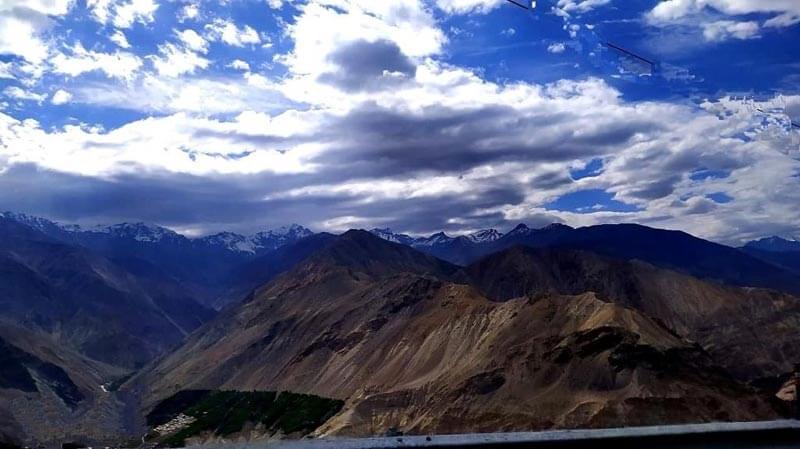
Leh Ladakh is a region located in the northernmost part of India, in the Union Territory of Ladakh. It is a high-altitude region situated between the Great Himalayas and the Kunlun mountain range. Leh is the largest city and the administrative capital of Ladakh.
Main Features of Leh Ladakh:
Landscape and Geography:
Leh Ladakh is famous for its stunning and diverse landscapes, which include high mountain ranges, rugged terrains, deep valleys, and picturesque lakes. Due to several high mountain passes like Khardung La and Chang La, it is often referred to as the “Land of High Passes.”
Culture and Traditions:
This region has a rich cultural heritage, and its residents are mostly Buddhists. Tibetan Buddhism influences the local culture, as seen in the monasteries and stupas here. Hemis Monastery, Thiksey Monastery, and Diskit Monastery are among the famous ones.
Tourism:
Leh Ladakh has become a popular tourist destination in recent years, attracting adventure enthusiasts, nature lovers, and spiritual seekers. Tourists come to experience the unique culture, explore the beautiful scenery, and participate in activities such as trekking, mountaineering, and river rafting.
Challenges and Conservation:
This region faces several challenges, including limited accessibility due to its remote location and harsh climatic conditions. Efforts are being made to promote sustainable tourism to protect the fragile ecosystem and preserve the unique culture of the region.
Union Territory of Ladakh:
Before August 2019, Ladakh was part of the state of Jammu & Kashmir. However, in August 2019, the Government of India reorganized the state, dividing it into two separate Union Territories—Jammu & Kashmir and Ladakh. As a Union Territory, Ladakh reports directly to the central government of India.
Festivals:
Leh Ladakh celebrates various festivals with great enthusiasm. The Hemis Festival celebrated at Hemis Monastery is one of the most popular events, attracting both locals and tourists.
Connectivity:
With improved road networks and regular flight services connecting Leh to major Indian cities, connectivity to the region has improved in recent years.
Due to the high altitude, travelers are advised to take precautions against altitude sickness and acclimatize properly. Those visiting Leh Ladakh are offered a unique and breathtaking experience, making it a favorite destination for both Indian and international tourists.

History and Legends of the Origin of Leh Ladakh
The history of Leh Ladakh is rich and fascinating, combining historical narratives and local legends passed down through generations. The region’s history can broadly be divided into several periods:
- Ancient and Early History:
The early inhabitants of this region were the Dards, an Indo-Aryan group, and the Mons, who were of Tibeto-Burman origin. Over time, Leh Ladakh came under the influence of various dynasties and empires, including the Mauryas and Kushans. - Spread of Buddhism:
One of the most important events in the history of Leh Ladakh was the spread of Buddhism. In the 7th century, Tibetan King Songtsen Gampo, who married Nepalese and Chinese princesses, played a key role in promoting Buddhism in this region. - Influence of the Tibetan Empire:
During the 8th and 9th centuries, the Tibetan Empire heavily influenced Ladakh. During this period, several monasteries and Buddhist cultural sites were established in the region. - Arrival of Islam:
Islam was introduced to Ladakh in the 16th century by Sufi missionaries. Today, the region—especially the lower areas of Leh—has a significant Muslim population. - Rule of the Namgyal Dynasty:
The Namgyal dynasty of Tibetan origin came to power in the 17th century and established Leh as their capital. The Namgyal rulers promoted Buddhism and oversaw the construction of several monasteries and palaces, some of which still stand today.
6. India-China Conflict:
In the 19th century, Ladakh became part of the princely state of Jammu and Kashmir under the Dogra rulers. The region witnessed conflict between India and China in 1962, after which India established a strong military presence here.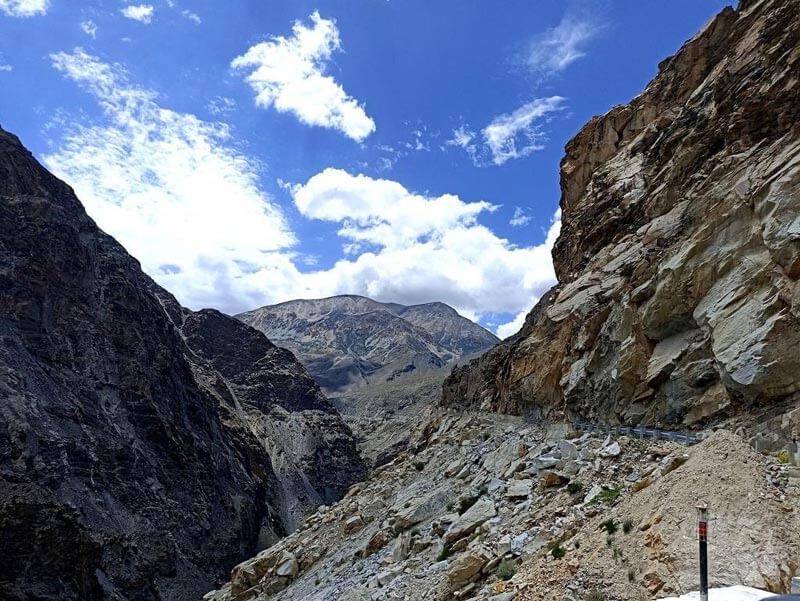
Legends about the Origin of Leh Ladakh
- Tale of the Serpent King (Nag-Raja):
According to local folklore, the Ladakh region was once a lake, and at the bottom lived a powerful serpent king named Nag-Raja. A Buddhist sage named Naropa dried the lake and defeated the serpent king, allowing for the establishment of human settlements in the region. - Legend of Nymagung:
Another legend tells the story of Nymagung, a demoness who used to terrorize the people of the region. To save the people, a Buddhist saint named Padmasambhava subdued the demoness and confined her to the rocks around Leh.
These legends, while fascinating, are part of the oral tradition and are not historically verifiable. They add a mythical element to the region’s history and cultural identity.
It is important to note that the historical and mythical accounts of the origin of Leh Ladakh are often intertwined, and the boundaries between fact and folklore can blur over time. Archaeological findings, ancient texts, and oral traditions continue to shed light on the captivating history of this region.
How to Travel from Delhi to Leh Ladakh?
The journey from Delhi to Leh Ladakh offers an unforgettable experience through beautiful landscapes but requires careful planning due to high-altitude terrain and remote location. There are mainly two modes of transport from Delhi to reach Leh Ladakh:
- By Air:
- The fastest and most convenient way to reach Leh Ladakh is by air. Leh has its own airport, Kushok Bakula Rimpochee Airport, well-connected with Delhi and other major Indian cities.
- Many airlines operate regular flights between Delhi and Leh, especially during the peak tourist season (May to October).
- The flight duration from Delhi to Leh is around 1.5 to 2 hours.
- By Road:
- Traveling by road to Leh Ladakh is an adventurous and scenic experience. However, the journey can be challenging due to rough terrain, high mountain passes, and long travel hours.
- The most common routes are the Manali-Leh Highway or the Srinagar-Leh Highway. Both routes have their unique charm and challenges.
Manali-Leh Highway Route:
- The Manali-Leh Highway generally opens from the end of May or early June until September, depending on weather and road conditions.
- The total distance from Delhi to Leh via this route is around 1,000 to 1,100 km, and the journey usually takes 2 to 3 days with overnight stops at places like Manali, Jispa, and Sarchu.
- This route offers mesmerizing views of the Himalayas and takes you through high passes like Rohtang Pass and Tanglang La.
Srinagar-Leh Highway Route:
- The Srinagar-Leh Highway remains open for a slightly longer period, generally from April to October.
- The total distance from Delhi to Leh via this route is around 1,100 to 1,200 km, and the journey usually takes 2 to 3 days with overnight stays at Srinagar, Kargil, or Drass.

Fame of Leh Ladakh
Leh Ladakh has gained significant fame and popularity in recent years, attracting travelers from all over the world. Some of the main factors contributing to its popularity include:
- Breathtaking Landscapes:
The region’s stunning landscapes, including snow-covered mountains, high-altitude deserts, lush valleys, pristine lakes, and scenic villages, have equally captivated the imaginations of travelers and photographers. - High-Altitude Adventures:
Leh Ladakh offers various thrilling adventure activities such as trekking, mountaineering, river rafting, mountain biking, and unique double-humped Bactrian camel safaris. - Ancient Monasteries and Culture:
The region is steeped in rich Buddhist culture and heritage, with several ancient monasteries that are architectural marvels and centers of religious learning. The unique blend of Tibetan and Ladakhi culture adds to the region’s charm. - Challenging Road Trips:
The Manali-Leh and Srinagar-Leh highways are famous for being among the most challenging and scenic road journeys in the world, attracting adventure enthusiasts and bikers. - Spiritual and Meditative Retreats:
Leh Ladakh’s calm and peaceful environment makes it an ideal place for spiritual seekers and those looking for meditation and self-reflection. - Unique Festivals:
Festivals like Hemis Festival and Ladakh Festival showcase vibrant local culture, traditional dance, music, and elaborate mask performances, offering visitors a cultural extravaganza. - Photography Opportunities:
This region is a paradise for photographers, offering the chance to capture breathtaking landscapes, wildlife, and unique Ladakhi architecture through the lens. - Stargazing:
Clear skies and high altitude make Leh Ladakh an excellent place for stargazing and astrophotography. - Pangong Lake:
The enchanting Pangong Tso Lake, known for its changing colors, gained massive popularity after being featured in Bollywood films like 3 Idiots. - Adventure Sports and Film Shoots:
Leh Ladakh has served as a filming location for several Bollywood and international movies due to its stunning backdrop and unique terrain. - Bucket-List Destination:
Over the past few years, Leh Ladakh has become a must-visit destination for many travelers, making it a bucket-list item for adventure seekers and nature lovers.
The unique mix of adventure, spirituality, culture, and natural beauty has contributed to the fame of Leh Ladakh as a destination that offers a transformative experience for travelers, leaving them with unforgettable memories of this magical land. However, with growing popularity, it is essential to practice responsible tourism to protect the fragile ecosystem and maintain the region’s cultural integrity.
Food Options Near Leh Ladakh
Leh Ladakh offers diverse food options to cater to the tastes of its visitors. While traditional Ladakhi cuisine has its unique charm, you can also find a variety of restaurants and eateries serving Indian, Tibetan, Chinese, and Continental dishes. Here are some food options to explore near Leh Ladakh:
- Ladakhi Cuisine:
Try local dishes like Thukpa (noodle soup), Momos (steamed dumplings), Skyu (a traditional pasta dish), Chhutagi (a kind of grain pancake), and Paba (Tsampa porridge).
Butter tea (locally known as Gur Gur Cha) is a traditional drink you must try. - Indian Cuisine:
You can find a variety of Indian dishes including North Indian and South Indian options such as Dal Makhani, Paneer Tikka, Chole Bhature, and Tandoori Roti. - Tibetan Cuisine:
Along with momos, you can taste other Tibetan dishes like Thenthuk (hand-pulled noodle soup), Shapta (lightly fried beef), and Tsampa (roasted barley flour). - Chinese Cuisine:
Chinese food like Fried Rice, Chow Mein, Manchurian, and more is easily available. - Continental Cuisine:
Some restaurants offer Continental dishes such as pasta, pizza, burgers, and sandwiches. - Coffee Shops and Bakeries:
Leh has several coffee shops and bakeries where you can enjoy freshly brewed coffee, cakes, pastries, and cookies. - Street Food:
You’ll find street vendors selling a variety of snacks like Chowmein, Pakoras, Golgappas, and more. - Vegetarian and Vegan Options:
Many restaurants in Leh Ladakh offer a wide range of vegetarian and vegan meals. - Dhabas:
Along the Manali-Leh and Srinagar-Leh highways, you will find dhabas (roadside eateries) serving simple, local food for travelers.
While exploring food options, it’s important to consider the high-altitude conditions and potential food shortages during the off-season. Also, consider trying local Ladakhi dishes to experience the unique flavors and culinary traditions of the region.
Accommodation Options for Travelers in Leh Ladakh
Leh Ladakh offers various types of accommodations to meet the needs and preferences of travelers. From budget guesthouses to luxury hotels, you can find several places to stay in and around Leh. Here are some accommodation options to consider while visiting Leh Ladakh:
- Hotels and Resorts:
Leh has several hotels and resorts that provide comfortable rooms with modern amenities. Some hotels are located within the city, while others are on the outskirts, offering peaceful surroundings and scenic views. - Guesthouses and Homestays:
For travelers looking for a more authentic experience and a chance to interact with locals, homestays are a popular choice. Many families in Ladakh offer rooms in their homes, providing a warm and homely atmosphere. - Camps and Luxury Tents:
During the tourist season (May to September), various campsites and luxury tents are set up around Leh and in popular spots like Nubra Valley and Pangong Lake. Staying in tents allows you to experience the natural beauty of Ladakh up close. - Hostels and Backpacker Lodges:
For budget travelers and backpackers, there are hostels and guesthouses with shared dormitory-style accommodation. - Monastery Stays:
Some monasteries in Ladakh offer accommodation to travelers seeking a unique and spiritually enriching experience. Staying in a monastery can give you insight into the Buddhist way of life. - Residential Stays:
Many locals in Leh rent rooms in their residential homes for short stays, especially during peak tourist seasons. - Traditional Ladakhi Homes:
Some places offer stays in traditional Ladakhi mud-brick houses, giving you a glimpse of the region’s architecture and lifestyle.
When planning your accommodation, consider factors such as location, amenities, cost, and your desired level of comfort. Note that accommodation options can vary depending on the time of year, as many places close during the harsh winter months due to extreme weather. It is advisable to book your stay in advance to ensure availability, especially during peak season.