
Enjoy the beat take in the beat, taste the flavors, and be amazed by the riot of colors! It’s the Notting Hill Carnival isn’t just an event It’s Europe’s biggest and most lively street festival that is a genuine festival of Caribbean culture. It draws millions of people in the city of London every year, this event is an incredible performance of food, music and artistic flair. We’ll dive into the rich past and significance for the festival, starting from its beginnings in the 1960s until its status as a global symbol of cultural heritage. Prepare to explore the essence and spirit of this renowned event and discover why it’s an absolute must-see for anyone looking for a memorable experience.
A Journey Through Notting Hill Carnival History
To fully enjoy this Notting Hill Carnival it is essential to understand its profound and emotional origins. It was not created solely as a gathering but also as a source of relief for a community struggling with social and racial divisions. In the late 20th century, London became the home of an influx of Caribbean immigrants, mostly originated from Trinidad and Jamaica and Jamaica, who arrived to aid in rebuilding the post-war Britain. These immigrants settled in places such as Notting Hill, and brought along their lively cultures music, music, and strong spirit.
The seeds for the carnival were sown by the activists Claudia Jones, often hailed as the “Mother of Carnival” in London. In reaction to the 1958 Notting Hill race riots, she held an inaugural indoor Caribbean carnival at St Pancras Town Hall in 1959. It was a powerful demonstration of unity and defiance that was aimed at lifting spirits in the community as well as bringing the diversity of Caribbean culture to a larger British public.
The indoor festival led to the street fair we enjoy in the present. In 1966, a local social worker Rhaune Laslett arranged an event located in Notting Hill with the goal to bring neighbors of different backgrounds together. The event, which featured an elaborate procession led of The Russell Henderson Steel Band, was so well-loved that it continued to grow organically each year. The event soon joined with the tradition that are associated with Trinidad Carnival, embracing its parades as well as costumes and music. The fusion turned a small-scale event into an enthralling annual declaration of celebration and identity which established its status as a vital part of London’s culture calendar. Its Notting Hill Carnival history is a testimony to the strength and creativity of a group that transformed an adversity into one world’s biggest celebrations.
The Cultural Significance: A Celebration of Identity
In the end the festival is more than just a weekend of celebration; it’s an intense celebration of Caribbean culture and identity. The the London’s Caribbean community, it is an opportunity to return public space and display their culture on a grand scale. Streets of Notting Hill, formerly thought to be a symbol of social conflict are now a canvas for lively expression, allowing the next generation to reconnect with their roots.
The carnival has also evolved into an important symbol of diversity in London. It’s a place in which people from all corners of the world gather in a pulsing energy and rhythm. The sheer diversity of the crowd–from families and elderly locals to international tourists–underscores its role in breaking down social barriers and fostering a shared sense of community. The festival proves that cultural exchange is an incredible source of happiness and mutual understanding, which makes it a vital opportunity to showcase Caribbean cultural diversity within London.
The Music: The Soul of the Carnival
The sounds of Notting Hill Carnival music is the heartbeat of the festival, bringing thousands of people into a dance. The atmosphere is a amazing mix of genres and each one telling a piece of the Caribbean tale. The soaring and melodic sound of steel pan groups, which are often called”the instrument that is the official national of Trinidad and tobago–float in the air, providing a stunning memory of the humble beginnings of music.
The main feature of the atmosphere is the massive sound systems that are dotted along on the parade routes. blasting out high-energy music like soca, reggae, calypso and dancehall music, the sound system is the most prominent characteristic in the energy of the festival’s city. They played a significant part in shaping the London music scene, informing genres ranging from dub and the jungle, to grunge and. They’re a defining emblem of London’s distinctive urban landscape, mixing tradition Caribbean musical styles with a distinctive British edge.
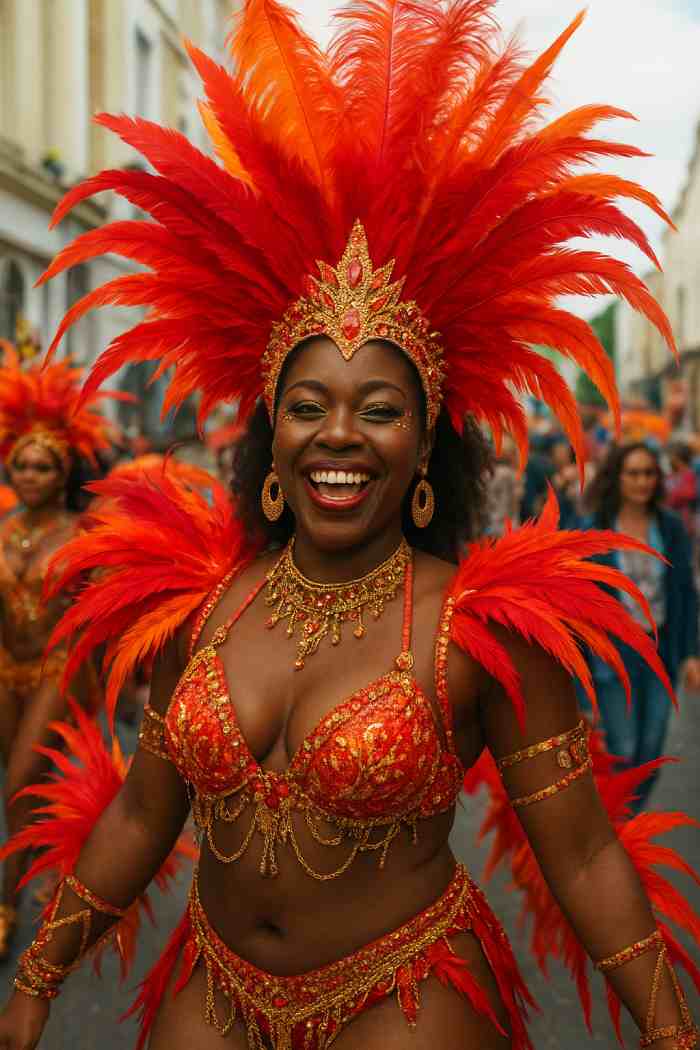
The Costumes and Parade: A Feast for the Eyes
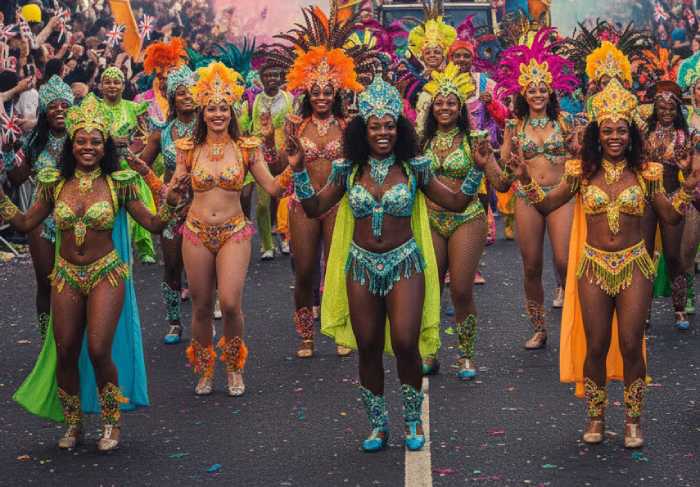
The parade is an incredible spectacle of imagination, in which artistic expressions of “mas” (masquerade) takes the of the stage. Based on the traditions from Trinidad Carnival, these elaborate Notting Hill Carnival costumes are not just costumes; they are intricate artworks that tell stories, celebrate the past, and honor our freedom spirit. Mas bands devote months to creating these stunning creations employing everything from feathers and sequins to beads, and intricate wirework.
The parade is a spectacle. in the city, performers also known as “masqueraders,” move in choreographed dances and their gorgeous costumes sparkle and moving according to beat. Each band is characterized by a distinct theme that ranges from mythical tales to historical fantasies, and all blending in a stunning display of movement and colour. Parade route which winds along the streets of Notting Hill, offers countless locations to watch this amazing display of art and energy.
The Flavors: A Taste of the Caribbean
The carnival experience cannot be complete without sampling the delicious street food. The scent of spice and smoky odor of grills create an experience of culinary delights across all the Caribbean islands. The most popular carnival food is jerk chicken. cooked in a fiery mix of spices, then cooked to perfection in the flame of an open fire. This dish is a perfect example of the spicy, smoky and savory flavor of Jamaican food.
However, the flavors don’t stop there. Participants can savor tasty beef patties, flaky pastries stuffed with spiced meat; soft rotis packed with chicken curry or other veggies sweet fried plantains and obviously, that cult cocktail of rum, which is the ideal drink to consume the entire meal. There are a variety of food stalls at the Notting Hill Carnival food vendors offer a real flavor of Caribbean and transform the streets into an exciting open-air restaurant.
Planning Your Visit: A First-Timer’s Guide
If you are planning to go at first, just a bit of planning can go a long ways. The carnival runs during the August Bank Holiday weekend, with each day providing a different atmosphere. Sunday is typically Family Day, offering a less crowded parade, and youngsters dressed in costumes, which makes it ideal for families. On Monday, there is The Grand Parade, with the main parade for adults as well as an even larger crowd, with more intensity.
Transport is vital. Notting Hill Gate, Ladbroke Grove as well as Westbourne Park Tube stations are frequently restricted or closed and it is recommended to be aware of the most current transport guidelines and be prepared to walk from a nearby station. Put on comfortable shoes, drink plenty of water and pack a compact bag that contains essentials such as a portable battery charger, sunscreen and cash at food stalls for the stalls. The carnival is a comfortable and safe occasion, but as with any big crowd it is important to stay aware of the surrounding. The Notting Hill Carnival guide can help you enjoy a smooth and memorable experience.
Beyond the Parade: The Local Impact
The effect of the carnival goes beyond the two days of festivities. It’s an essential economically engine that benefits the population as well as London in general. Small-scale firms located in Notting Hill From food vendors to local stores depend on the flow of thousands of tourists to increase their profits. This event is a major economic activity, helping to sustain the local economy and highlighting local entrepreneurs.
Furthermore, the festival provides a platform for community projects and social engagement. It offers a platform to discuss issues and also highlights the rich cultural heritage that is the City, encouraging greater understanding and appreciation of diversity. This Notting Hill Carnival impact is an example of how cultural events do not just bring happiness, but also provide lasting economic and social advantages.
Notting Hill Carnival: A Global Comparison
Although the carnival has a common its DNA with other global celebrations such as New Orleans Mardi Gras and Rio de Janeiro’s Carnival The closest connection is to Trinidad Carnival. Trinidad Carnival. Both carnivals feature colorful Mas bands, the strong steel pans’ sound, and the high-energy beats of calypso and calypso. But what is what makes Notting Hill Carnival vs Trinidad Carnival unique is the specific London location. It’s an annual celebration of the Caribbean diaspora, and also as a bold declaration of identity and culture within an important European capital. It’s a mix of Caribbean enthusiasm and British spirit making it a festival unlike similar to any other around the globe.
Conclusion: A Unifying Force
From its humble beginnings until its present position being a worldwide phenomenon it is a global phenomenon. Notting Hill Carnival remains the largest festival of Caribbean cultural heritage in Europe. It is a testimony to the strength of community, music and culture. More than a simple street party, it’s an unifying factor that brings people from every walk of life together and creates a sense of joy and common humanity. If you’ve never had the pleasure of experiencing the joy of a carnival Do yourself a favor and consider a trip. The beat will make you feel and the colors will excite your, while the excitement will be with you for a long time until the final beat is gone.