

Consequently, the definitive luxury of the modern era is finding deep, uncompromised geographic isolation. Stepping completely off the beaten tourist track drops your personal transactional costs significantly while matching you directly with raw, welcoming neighborhood communities. This exhaustive manual catalogs 25 highly underrated global alternatives that offer magnificent visual scenery, rich native culture, and true exploratory freedom completely free from mass crowd pressures.
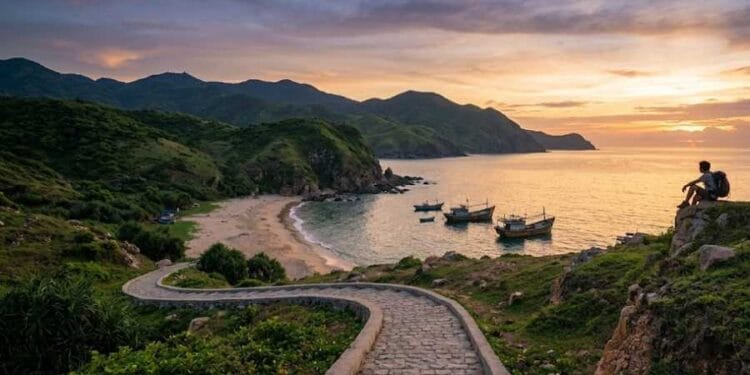
The Anti-Congestion Exploration Model
Bypassing crowded metropolitan choke points ensures your standard daily capital reserves acquire massive value arbitrage. This specialized, full-length guide tracks how to systematically deploy your vacation time-blocking logs across uncommercialized sanctuaries safely and intelligently.
Why Choose Underrated Destinations?
Opting for offbeat regional travel allows independent operators to eliminate bloated administrative middleman fees and pay native market rates for premium setups. Instead of spending hours standing inside exhausting attraction lines, low-crowd destinations unlock tranquil spaces perfect for unhurried landscape photography and deep mental restoration loops.
- Absolute Quiet Environmental Grids: Experience world travel without the stress of ambient noise pollution.
- Phenomenal Cost Savings: Lodging, transport, and localized nourishment expenses drop by up to 60% compared to mainstream hubs.
- Pure Cultural Exposure: Formulate genuine, mutually respectful interactions with host communities tracking pristine traditions.
1. Albania – Europe’s Hidden Riviera
Albania presents a striking, budget-friendly alternative to overcrowded Greek or Italian coastal resorts. The southern Ionian coastline—stretching across Saranda, Ksamil, and Dhermi—features breathtaking turquoise waters, pristine white-pebble coves, and multi-generational seafood kitchens that operate at a third of standard European pricing models.
Pros: Immaculate coastal water clarity metrics; direct proximity to UNESCO Roman ruins like Butrint.
Cons: Local public bus transportation routes demand manual schedule checking passes on the ground.
2. Georgia – Mountains and Wine Paradise
Tucked safely between the massive peaks of the Greater Caucasus and the Black Sea, Georgia mixes jaw-dropping alpine scenery with ancient historical preservation. In regions like Svaneti and Kazbegi, independent travelers can explore medieval defensive towers built directly into glacial mountain shelves, while exploring the world’s oldest continuous wine production valleys in Kakheti.
Pros: Outstanding local culinary systems; deep, authentic hospitality networks inside rural homestays.
Cons: English communication networks are sparse inside deep mountain pass highland communities.
3. Slovenia – Fairy-Tale European Beauty
Slovenia serves up pristine, fairy-tale alpine aesthetics completely free from the massive crowd pressures and skyrocketing price inflations tracking across Switzerland. Lake Bohinj and the dramatic limestone walls of Triglav National Park offer world-class hiking, crystal-clear glacial stream streams, and uncrowded eco-lodges.
Pros: Native public environmental regulations completely prohibit noisy commercial motor boats on lakes.
Cons: Glacial water temperature parameters remain incredibly crisp, preventing casual swimming outside mid-summer.
4. Laos – Slow Travel Haven
While neighboring Southeast Asian capitals track high-velocity urban sprawl, Laos preserves a tranquil, meditative slow-travel rhythm. The historic UNESCO sanctuary of Luang Prabang combines saffron-robed Buddhist monastery walks with quiet French-colonial riverside villas tracking the emerald curves of the Mekong River.
Pros: Deeply peaceful, mind-clearing local atmosphere; beautiful, multi-tier turquoise Kuang Si waterfalls.
Cons: Limited late-night operational infrastructure means the destination is designed strictly for early-morning focus.
5. Montenegro – Underrated Coastal Gem
Montenegro packs dramatic visual geometry across a compact geographic parameter, serving up fjord-like Adriatic inlets and medieval stone walled towns that parallel Croatia’s beauty without matching its dense cruise-ship congestion lines. Exploring the Lovcen mountain hinterlands matches you with spectacular, empty panoramic viewpoints.
Pros: Breathtaking coastal roads; historic boutique apartments hidden inside ancient limestone walls.
Cons: Narrow mountain highway networks feature tight hair-pin switchbacks demanding focused vehicle control.
6. Kyrgyzstan – Untouched Mountain Wilderness
Kyrgyzstan represents the ultimate frontier for high-altitude horse trekking, alpine lake exploration, and authentic nomadic culture. Independent explorers can pilot routes through the dramatic Tien Shan mountain range, sleeping securely inside traditional felt yurts managed by local herding families near Lake Issyk-Kul.
Pros: Experience completely uncommercialized alpine horse-trekking tracks; jaw-dropping celestial star fields.
Cons: Highly basic rural infrastructure demands self-sufficient, rugged packing parameters from travelers.
7. Bolivia – Salt Flats and Ancient Culture
Bolivia delivers mind-bending geological contrasts at extreme altitudes. The surreal, mirror-like expanse of the Salar de Uyuni salt flats provides an unmatched canvas for abstract geometric landscape photography, while the cultural core of La Paz and Lake Titicaca preserves deep indigenous traditions.
Pros: Globally unique visual vistas; exceptionally low daily cost structures across local transit networks.
Cons: High baseline altitudinal parameters require slow, calculated pacing to bypass mountain head lag safely.
8. Nicaragua – Affordable Central America Escape
Overshadowed by commercial eco-resort branding in Costa Rica, Nicaragua holds an untamed paradise of active volcanic cones, freshwater crater lakes, and colonial architectural hubs like Granada. It provides an exceptional baseline for world-class Pacific surf tracking at minimal pricing tiers.
Pros: Secluded, empty coastal sand rows; unique opportunities to sandboard down active volcano slopes.
Cons: Inter-city chicken-bus transit networks require high degrees of flexibility and personal navigation patience.
9. Sri Lanka – Tropical Hidden Paradise
Sri Lanka holds an incredible variety of distinct micro-climates within an easily navigable footprint. Moving past main southern beach blocks allows you to explore misty high-altitude colonial tea estates in Ella, track wild elephants inside Udawalawe, and discover ancient hidden forest ruins.
Pros: Immaculate wildlife density metrics; highly affordable luxury boutique heritage villa stays.
Cons: Regional public rail transit choices operate on legacy timetables, requiring ample buffer hours.
10. Oman – Desert Meets Ocean
Oman stands out as an exceptionally safe, structurally pristine Middle Eastern sanctuary where massive red sand dunes roll directly into deep turquoise ocean gulfs. Exploring the spectacular limestone slot canyons (Wadis) reveals emerald swimming holes tucked safely inside arid canyon walls.
Pros: Pristine safety indexes; breathtaking historical mud-brick fortresses; zero aggressive tourist pushiness.
Cons: Accessing remote backcountry canyon floors safely necessitates a high-clearance 4×4 vehicle asset.
11. Bosnia & Herzegovina – Cultural & Natural Beauty
Bosnia & Herzegovina bridges East and West beautifully through its unique architectural lines, combining historic Ottoman stone bridges like Mostar with roaring green waterfalls at Kravica. Its deep mountain valleys offer pure, uncrowded river kayaking routes across the Balkans.
Pros: Incredibly affordable, high-grade farm-to-table culinary operations; deep, moving historical layers.
Cons: Some rural hiking zones require staying strictly on marked paths due to legacy territory markings.
12. Philippines (Less Known Islands)
While mass consumer flows choke the sands of Boracay, the Philippine archipelago holds thousands of pristine alternative islands. Exploring hidden gems like Camiguin, Batanes, or the secluded coves of Catanduanes matches you with empty volcanic sands and crystal lagoon shelves.
Pros: Exceptional underwater visibility parameters for eco-snorkeling; highly communicative local networks.
Cons: Shifting between isolated island sectors necessitates tracking multiple small maritime ferry timetables.
13. Romania – Dracula Country & Medieval Charm
Romania’s Transylvanian plateau holds an incredible display of deep-forest medieval isolation. Saxon villages like Sighi?oara and Bra?ov feature gothic watchtowers, winding cobbled streets, and sweeping views of the Carpathian peaks, completely avoiding Western European pricing models.
Pros: Breathtaking driving routes like the Transfagara?an highway; highly cost-effective castle tours.
Cons: Rail transit speeds across rural sectors can be slow, making independent car rentals superior.
14. Ethiopia – Ancient History & Landscapes
Ethiopia delivers a profound historical journey, completely bypassed by standard package tourism tracks. The high-altitude Simien Mountains hold dramatic geometric jagged walls where unique wildlife thrives, leading down to the monolithic, rock-hewn underground churches of Lalibela.
Pros: Totally unique cultural, linguistic, and archaeological heritage frameworks found nowhere else on earth.
Cons: Demands flexible itinerary structures and proactive internal logistical checking loops before transit steps.
15. Madagascar – Unique Wildlife Destination
Madagascar operates as an independent evolutionary laboratory, where over 90% of its native plant and animal species exist strictly nowhere else on earth. Walking beneath towering, ancient Avenue of the Baobabs structures at sunset provides a magnificent, surreal visual memory.
Pros: Unparalleled, once-in-a-lifetime biological wildlife encounters; massive untouched island shorelines.
Cons: Domestic transport lanes require traversing heavily unpaved dirt networks susceptible to wet weather delays.
16. Kazakhstan – Vast Open Landscapes
Kazakhstan offers an extraordinary array of geographic visual contrasts, shifting from the futuristic architecture of Astana to the immense, multi-colored rock formations of Charyn Canyon and the mirror-like high-alpine lakes of Almaty.
Pros: Ultra-modern urban transit grids paired directly with empty, wild subalpine national park zones.
Cons: Immense spatial distances across the steppe demand strategic long-distance sleeper train bookings.
17. Uruguay – Peaceful South American Escape
Uruguay functions as a quiet, highly progressive South American haven that avoids the high-intensity metropolitan rush of its neighbors. Coastal settlements like Colonia del Sacramento offer historic Portuguese cobblestone lanes, while Cabo Polonio provides total car-free sand dune isolation.
Pros: Extremely laid-back local safety parameters; clean, empty South Atlantic beach fronts.
Cons: Baseline daily operational costs are slightly higher than Peru or Bolivia budget metrics.
18. Taiwan – Balanced Urban & Nature Travel
While capital cities across East Asia track intense crowd spikes, Taiwan’s specialized mountain corridors remain beautifully zen. Exploring the near-vertical marble walls of Taroko Gorge matches you with hanging shrines, high-altitude hot springs, and uncrowded forest hiking loops.
Pros: Elite, blisteringly fast bullet-train transport loops; world-class safe night market culinary structures.
Cons: High seismic volcanic activity parameters demand checking active park trail closures before departure.
19. Portugal (Interior Regions)
Bypass the dense tourist lines of Lisbon and the Algarve. Interior regions like the Alentejo plains and the ancient schist stone villages of the Serra da Estrela mountains present a quiet, timeless world of cork forests, historic olive groves, and empty castle fortresses.
Pros: Exceptional, highly authentic regional wine pairing layouts; complete preservation of rustic country life.
Cons: Exploring rural interior valleys effectively necessitates independent vehicle tracking capabilities.
20. Japan (Rural Prefectures)
Skip the crushing pedestrian flows of Kyoto and Tokyo to enter Japan’s silent rural prefectures like Tohoku or Shikoku. These isolated mountain fields feature hidden valleys spanned by historic vine bridges, ancient cedar pilgrimage trails, and local hot spring onsens completely free from mass tour groups.
Pros: Pristine, immaculate cultural cleanliness standards; experience old-world Zen philosophies organically.
Cons: Rural train loop frequencies are lower, requiring strict time-blocking log discipline daily.
21. Mexico (Hidden Colonial Towns)
Venture far inland from commercial resort zones to unlock Mexico’s spectacular colonial silver-mining gems like San Miguel de Allende, Guanajuato, or Izamal. These high-desert locations feature multi-colored building facades, historic baroque cathedrals, and independent creative art spaces.
Pros: Stunning historical core preservation; incredible street food markets serving gourmet items affordably.
Cons: Winding, hillside cobblestone lane patterns demand sturdy, high-traction walking shoes.
22. Canada (Newfoundland & Labrador)
Newfoundland & Labrador delivers a raw North Atlantic wilderness experience, where massive thousand-year-old icebergs drift directly past dramatic coastal cliffs along Iceberg Alley. Its quiet fishing outports feature colorful coastal structures and epic seaside trail walks.
Pros: Unmatched maritime wildlife observation, including massive humpback whale tracking loops; zero crowd pressure.
Cons: The unpredictable North Atlantic fog banks can cause sudden localized transit delays.
23. India (Meghalaya & Spiti Valley)
India holds spectacular alternative tracks for seasoned builders. Explore the mist-shrouded subtropical rainforests of **Meghalaya to discover living root bridges** grown organically by Khasi tribes, or ascend into the high-altitude cold desert of **Spiti Valley to visit ancient cliffside Buddhist monasteries** tucked inside the high Himalayas.
Pros: Extreme landscape diversity matching zero mass-tourism footprints; incredible value.
Cons: Reaching Spiti demands navigating intense, unpaved high-mountain highway passes requiring strong focus boundaries.
24. France (Alsace Region)
Bypass Paris completely to explore the fairy-tale timber-framed villages of the Alsace, tracking along the foothills of the Vosges Mountains. Towns like Colmar, Eguisheim, and Riquewihr feature canals lined with flowers, historic medieval watchtowers, and independent artisan wineries.
Pros: Immaculate historical core preservation; outstanding European bicycle paths linking villages safely.
Cons: Local boutique lodging options fill up rapidly during regional autumn harvest festival weeks.
25. USA (North Cascades National Park)
North Cascades remains one of the least visited national parks in the entire United States, preserving a majestic wilderness of over three hundred active glaciers, jagged granite towers, and turquoise subalpine lakes fed by pure glacial flour.
Pros: Pure backcountry isolation; dramatic mountain geometry that easily parallels the European Alps.
Cons: Minimal internal park road infrastructure means accessing the best views demands multi-mile foot packing.
Strategic Alternative Logistics Blueprint
Building an efficient offbeat travel plan requires matching your destination targets with correct vehicular and data infrastructure assets. Do not assume remote territory routes display active cellular grids; downloading extensive offline vector maps is mandatory ahead of entering deep mountain corridors or isolated island zones. Shifting your itinerary timeline out of peak summer blocks into targeted shoulder weeks eliminates regional price premiums instantly.
Additionally, travelers checking out week-long vacation tracks can review our complete manual covering The Ultimate 7-Day Travel Itinerary Guide to learn how to structure daily time-blocking logs and prevent transit fatigue. For short-haul micro-escapes, our curated index of 10 Perfect Weekend Getaways delivers excellent alternative blueprints.
Offbeat Destination Performance Matrix
| Underrated Destination | Primary Natural Appeal | Daily Lodging Cost Baseline | Value Arbitrage Rating |
|---|---|---|---|
| Albania | Ionian Riviera Turquoise Beaches | $35 – $75 / night | Exceptional |
| Georgia | Caucasus Glacial Fortress Peaks | $30 – $65 / night | Outstanding |
| Slovenia | Julian Alps Glacial Lake Systems | $55 – $95 / night | High |
| Kyrgyzstan | Tien Shan Nomadic Yurts | $25 – $50 / night | Exceptional |
| Oman | Arid Desert Slots & Wadi Pools | $65 – $120 / night | Good |
To further coordinate your transaction checking layers and lock down your administrative tasks on the road smoothly, explore our comprehensive technical review covering 20 Powerful AI Productivity Tools to systematically remove workflow lag from any global coordinate checkpoint.
Frequently Asked Questions
How do travelers successfully eliminate international cellular roaming fees across borders?
By activating clean digital eSIM configurations over-the-air ahead of crossing borders. This ensures instant high-speed data pipelines for navigation and mapping apps at native local market rates. For a complete look at dropping travel operational leaks, review our actionable manual tracking 15 Budget Travel Tips to Save Money safely.
What is the absolute best method to handle currency conversions without massive fee penalties?
Bypass predatory airport terminal currency booths completely. Deploy specialized digital multi-currency cards that grant zero international exchange premiums and use native municipal banking ATMs on the ground. For a complete look at affordable luxury travel, explore our detailed manual on 20 Affordable Travel Destinations That Feel Surprisingly Luxurious.
Are these less crowded destinations safe for independent solo operators?
Yes. Most offbeat destinations hold lower petty crime rates than highly congested commercial capitals. Prioritize well-reviewed local guesthouses, stay alert during terminal transfers, and share your live tracking links securely with close family circles.
Conclusion
Experiencing the world beautifully does not demand large, five-star enterprise budgets; it requires deliberate, analytical execution. Balancing machine-like scheduling speed with deep respect for localized cultural heritage systems remains the ultimate roadmap to achieving a rich, high-value quick escape in 2026.