

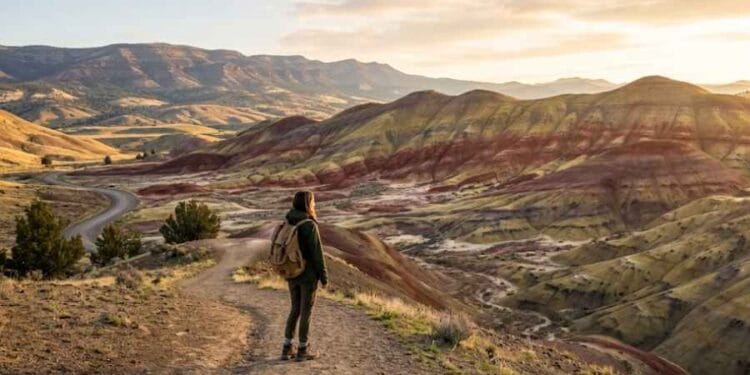
Yet, beyond these standard commercial corridors lies an entirely alternative ecosystem of pristine isolation. The United States holds massive stretches of deeply underrated wilderness, architectural anomalies, and low-stress small towns that completely escape mass travel distribution. This definitive, full-length guide logs the 20 best hidden gems in the United States, providing precise data breakdowns to help you execute your next offbeat adventure smoothly and responsibly.
The Hidden Gems Exploration Paradigm
True exploration isn’t about collecting highly repetitive check-ins at heavily commercialized plazas; it is about tracking pure local authenticity, preserving natural eco-systems, and discovering locations before mass digital media algorithms standardize them. The following guide details where to secure clean isolation maps across states.
Why Explore Hidden Gems in the USA?
Stepping away from traditional urban vacation itineraries drop your systemic transactional costs while matching you directly with raw, uncompromised natural sceneries. Instead of facing exorbitant price inflations found across standard tourist center zones, offbeat regional travel allows you to maximize your budget efficiency and capture breathtaking, empty visual vistas.
- Zero Crowd Density Constraints: Experience deep mental clarity without navigating packed lines.
- Enhanced Capital Retention: Lodging and food tracking values are vastly superior outside main metro areas.
- Pristine Landscape Photography: Secure composition frames entirely free from visual human artifacts.
1. Apostle Islands, Wisconsin – Ice Caves & Lake Beauty
Situated along the harsh, wind-swept northern margins of Lake Superior, the Apostle Islands National Lakeshore holds an incredible display of red sandstone cliffs, historic lighthouses, and pristine aquatic arches. The true magic occurs when extreme seasonal sub-zero weather patterns completely freeze the lake surface, allowing hikers to walk out over solid ice sheets to inspect magnificent hanging ice formations inside the sea caves.
Pros: Stunning natural ice architecture that reads beautifully; elite, pristine open-water kayaking routes in summer.
Cons: Cave freeze safety metrics vary completely based on real-time winter conditions; requires specialized traction footwear parameters.
2. Sedona Secret Trails, Arizona – Beyond the Red Rocks
While the city center of Sedona experiences heavy consumer traffic, its secluded backcountry routes remain wonderfully silent. Bypassing crowded landmark hubs allows travelers to explore deep sandstone slot canyons like Boynton Canyon or secret high-desert shelves that hold pristine energy vortex sites completely free from commercial tour groups.
Pros: Mind-clearing sunset panoramic views; exceptional dry trail conditions for remote trail running.
Cons: Isolated wilderness paths lack defined cellular connection lines, demanding updated offline vector maps.
3. Great Basin National Park, Nevada – Underrated Wilderness
Great Basin stands as an extraordinary display of raw mountain isolation, tucked quietly away on the edge of the Nevada desert. Its ancient alpine terrain features groves of bristlecone pine trees tracking back over four thousand years, deep subterranean marble cavern rooms, and the majestic peak of Wheeler Mountain.
Pros: Absolute zero light pollution parameters, yielding the single best dark-sky Milky Way visibility map in the US.
Cons: Extreme distance variables from the nearest airport hub necessitate a multi-hour desert highway driving plan.
4. Cumberland Island, Georgia – Wild Horses & Empty Beaches
Accessible strictly via a managed maritime ferry system, Cumberland Island National Seashore protects a stunning maritime forest world where wild horses roam freely beneath massive oak trees covered in Spanish moss. Its extensive white sand ocean boundaries remain entirely undeveloped, free from a single boardwalk or resort framework.
Pros: Total absence of motorized tourist traffic; pristine, empty island coastlines that stretch for continuous miles.
Cons: No commercial retail networks exist on the island, requiring visitors to carry out all personal waste and water layers.
5. Telluride, Colorado – Mountain Town Paradise
Hidden deep inside a spectacular glacial box canyon in the San Juan Mountains, Telluride escapes the generic ski-resort templates found elsewhere. Its beautifully preserved Victorian-era mining structures are surrounded on all sides by near-vertical alpine cliffs and cascading waterfalls, accessible via a free municipal gondola network.
Pros: Breathtaking high-altitude landscape visuals; exceptionally walkable mountain town core space.
Cons: Limited valley parking layouts require travelers to utilize peripheral transit staging blocks.
6. Door County, Wisconsin – Coastal Charm Without Oceans
Door County forms a historic, elongated peninsula splitting Green Bay from Lake Michigan, offering a stunning freshwater alternative to expensive maritime coastal destinations. The region features miles of quiet limestone bluffs, historic lighthouses, sweeping cherry orchards, and peaceful Scandinavian-influenced fishing communities.
Pros: Pristine farm-to-table culinary systems; outstanding visual asset density for coastal photography.
Cons: Local weekend lodging options fill up incredibly fast during peak autumn foliage tracking weeks.
7. Palouse Region, Washington – Rolling Green Hills
The Palouse presents a surreal landscape of wave-like silt dunes stretching across thousands of acres of southeastern Washington. When early morning sunlight casts elongated shadows across the agricultural contours, the green and gold hills look identical to an abstract digital art graphic.
Pros: Unrivaled geometric vistas from the peak of Steptoe Butte; completely uncrowded rural driving loops.
Cons: Very sparse boutique hotel options within immediate rural grid coordinates, requiring regional base hubs.
8. Lassen Volcanic National Park, California – Lava Landscapes
Overshadowed by famous mountain parks, Lassen Volcanic holds an extraordinary geothermal wilderness paradise. The park features roaring steam vents, boiling mud pots, crystal-clear volcanic lakes, and a massive plug dome volcano that path-seekers can summit cleanly.
Pros: Experience Yellowstone-style geothermal features at a fraction of standard mass crowd metrics.
Cons: High winter snowpacks block the main interior scenic road loops from late October until mid-summer.
9. San Juan Islands, Washington – Whale Watching Secret
The San Juan archipelago sits quietly inside the rain shadow of the Olympic Mountains, offering an elite maritime island escape. Its protected channels feature deep emerald pine forests, tranquil gravel beaches, and prime observation coordinates for native resident orca pods.
Pros: Incredibly calm, safe channels for ocean kayak navigation; high density of local farm artisanal markets.
Cons: Managing state ferry terminal booking queues demands precise timing to prevent missed sailing tracks.
10. Marfa, Texas – Mysterious Desert Art Town
Marfa stands out as an avant-garde cultural oasis dropped square into the vast Chihuahuan Desert plateau. Combining large-scale minimalist art installations housed in historic military barracks with quirky local architecture, the town is also famous for the unexplained Marfa Lights phenomenon.
Pros: Deeply unique juxtaposition of international modern art and rustic West Texas ranch culture.
Cons: Highly irregular gallery operational tracking schedules require checking ahead of arrival.
11. Taos, New Mexico – Cultural Desert Gem
Taos blends ancient indigenous heritage with high-desert creative energy. The town features the majestic Taos Pueblo—a multi-story adobe structure occupied continuously for over a millennium—set beautifully against the steep gorges of the Rio Grande and the Sangre de Cristo peak line.
Pros: Profound cultural preservation immersion; outstanding regional hot springs hidden along canyon floors.
Cons: High base altitude parameters demand proper hydration cycles to prevent swift acclimatization head lag.
12. Glacier National Park Hidden Corners, Montana
While the Going-to-the-Sun Road experiences heavy traffic, the remote North Fork and Two Medicine sectors of Glacier National Park remain untouched. These isolated entry blocks connect hikers with deep, glacier-carved valleys and mirror-like alpine lakes where grizzly bears forage undisturbed.
Pros: Pure backcountry isolation tracking beneath towering gray shale peak walls; pristine trail conditions.
Cons: Absolute absence of paved amenities; requires mandatory backcountry bear safety canisters and protocols.
13. Lake Tahoe Secret Beaches, California/Nevada
Bypassing the busy parking docks of Emerald Bay allows travelers to locate pristine granite-boulder coves along the eastern Nevada shoreline, such as Secret Cove and Whale Beach. These hidden shoreline zones serve up Caribbean-level water clarity views framed by old-growth pines.
Pros: Spectacular visibility metrics; escape the massive commercial resort pressures of the main towns.
Cons: Reaching the shoreline requires descending steep, unpaved hillside footpaths from the main highway.
14. Blackwater Falls, West Virginia
Tucked safely inside the rugged Allegheny Mountains, Blackwater Falls drops amber-colored waters into an immense eight-mile forested canyon. The unique dark coloration stems from natural tannic acid profiles leaching from native hemlock and red spruce forest floors upstream.
Pros: Stunning misty visual atmospheres; excellent array of connecting wooden boardwalk viewing steps.
Cons: Heavy weekend autumn foliage crowds can fill the primary state park lodge spaces quickly.
15. Mackinac Island, Michigan – No Cars Allowed
Mackinac Island operates on a completely alternative operational blueprint, having strictly banned all motorized personal vehicles since 1898. Transportation across this historic Lake Huron island happens exclusively via horse-drawn carriage assets, bicycle lanes, or footpaths.
Pros: Complete removal of standard urban noise pollution; gorgeous historic architectural waterfront hotels.
Cons: Main street commercial sector experiences heavy midday passenger flows from incoming day-tripper ferries.
16. North Cascades National Park, Washington
Known across alpine circles as the “American Alps,” North Cascades remains one of the least visited national parks in the entire United States. The park contains over three hundred active glaciers, jagged granite towers, and breathtaking turquoise lakes fed by pure glacial flour.
Pros: Pristine alpine isolation; stunning, dramatic peak geometry that rivals deep European ranges easily.
Cons: Minimal internal park road structures mean accessing the best vistas demands intense, multi-mile backcountry tracking.
17. Bisbee, Arizona – Colorful Mining Town
Perched precariously along the steep canyon walls of the Mule Mountains, Bisbee has transformed from a historic 19th-century copper mining hub into a quirky architectural art colony, filled with colorful hillside stairs, vintage structures, and independent galleries.
Pros: Fascinating industrial mining heritage tours; eccentric, highly welcoming local resident networks.
Cons: The incredibly steep town stair layout introduces a physically demanding environment for daily walking loops.
18. Ocracoke Island, North Carolina
Situated at the remote southern tip of the Outer Banks barrier reef, Ocracoke Island is a secluded maritime village steeped in pirate history and old Atlantic fishing culture. Its pristine coastal beaches are protected from high-density resort development by the National Park Service.
Pros: Totally relaxed island pace; beautiful uncrowded beaches; direct access to wild banker pony paths.
Cons: Reaching the island requires coordinating a 60-minute state maritime vehicle ferry crossing track.
19. Silver Falls State Park, Oregon
Silver Falls holds the spectacular Trail of Ten Falls, a pristine forest pathway that winds through a temperate rainforest canyon, leading hikers past ten historic waterfalls. The unique basalt shelf geology allows trail-seekers to physically walk inside massive caves hidden directly behind the cascading water curtains.
Pros: Unrivaled waterfall density metrics tracking along a single unified trail loop; pristine mossy environments.
Cons: Trail pathways can become highly muddy and slick during early spring moisture surges.
20. Capitol Reef Backcountry, Utah
While neighboring red-rock parks experience intense traffic, the rugged Cathedral Valley backcountry of Capitol Reef remains beautifully silent. This hyper-desert sanctuary features massive sandstone monolith towers lifting dramatically out of the empty desert floor, alongside historic pioneer fruit orchards.
Pros: Mind-bending geological scale; complete escape from mass commercial tour infrastructure loops.
Cons: Crossing the Fremont River ford loop to access Cathedral Valley demands high-clearance 4×4 vehicle setups.
Operational Logistics Planning Matrix
Building an efficient offbeat travel plan requires matching your destination targets with the correct vehicular infrastructure assets. Do not assume standard rental vehicles can clear remote backcountry routes safely. Navigating isolated desert slots or river crossing roads requires tracking high-clearance 4×4 metrics early. Shifting your itinerary timeline out of peak summer blocks into targeted shoulder weeks eliminates regional price premiums instantly.
Additionally, travelers checking out week-long vacation tracks can review our complete manual covering The Ultimate 7-Day Travel Itinerary Guide to learn how to structure daily time-blocking logs and prevent transit fatigue. Always prioritize local guesthouses over national franchise hotels to capture authentic cultural expertise while supporting community economy frameworks.
Hidden Gems Cost Performance Matrix
| Hidden Gem Coordinate | Primary Natural Appeal | Estimated Daily Lodging Base | Crowd Density Indicator |
|---|---|---|---|
| Great Basin, NV | Bristlecone Pine Groves / Star Fields | $70 – $110 / night | Ultra-Low |
| Cumberland Island, GA | Pristine Maritime Oak Forests | $40 – $80 / night (Camping) | Minimal |
| North Cascades, WA | Glacial Alpine Peak Horizons | $90 – $140 / night | Low |
| Apostle Islands, WI | Lake Superior Sandstone Caves | $80 – $130 / night | Low |
| Capitol Reef, UT | Arid Cathedral Valley Monoliths | $75 – $120 / night | Minimal |
To further coordinate your transaction checking layers and lock down your administrative tasks on the road smoothly, explore our comprehensive technical review covering 20 Powerful AI Productivity Tools to systematically remove workflow lag from any global coordinate checkpoint.
Frequently Asked Questions
How do travelers ensure proper water and waste tracking inside remote US parks?
By strictly practicing Leave No Trace (LNT) infrastructure rules. Carry integrated micron water filtration bottles to source from natural springs safely, and pack out all plastic variables to protect fragile local wildlife tracking zones.
What is the absolute best method to handle cross-border data data links safely?
By activating clean digital eSIM configurations over-the-air ahead of crossing borders. This ensures instant high-speed data pipelines for navigation and mapping apps at native local market rates. For a complete look at dropping travel operational leaks, review our actionable manual tracking 15 Budget Travel Tips to Save Money safely.
Can travelers access pristine isolation spots if a location grows in popularity?
Yes. By bypassing crowded commercial avenues to map routes through alternative regional zones. For a deep look at clean, uncommercialized spaces across world continents, explore our full report on 25 Hidden Travel Destinations Around the World to secure pure isolation loops safely.
Conclusion
The true majesty of the United States lies far beyond its highly commercialized city centers and viral media backdrops. Cultivating a flawless balance between computational tracking speed, independent self-sufficiency, and deep respect for natural ecosystems remains the ultimate roadmap to experiencing America’s raw, uncompromised spirit in 2026.