

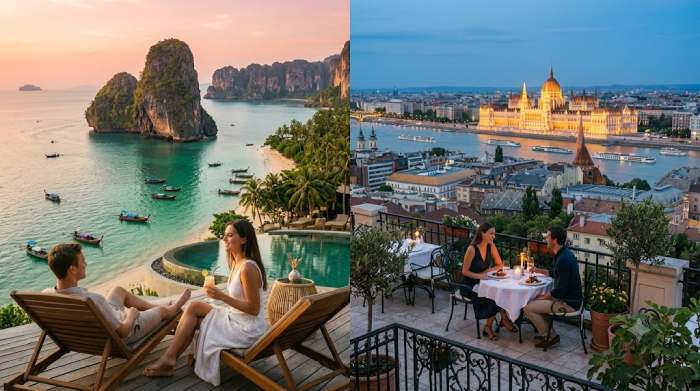
Achieving this delicate high-value balance requires systematic data planning. By matching your currency strengths with destinations that maintain exceptional hospitality cultures yet offer low internal currency overhead limits, you scale your vacation experience exponentially. This definitive, full-length manual breaks down the 20 best affordable luxury travel destinations dominating workflows safely and beautifully.
The Core Philosophy of Affordable Luxury
True luxury isn’t defined by spending large numbers blindly; it is defined by the absolute depth of the local experience, the structural quality of hospitality tracking, and the visual peace delivered by your surroundings. The following curated international map tracks where your lifestyle assets acquire maximum leverage.
1. Bali, Indonesia – Tropical Luxury on a Budget
Bali operates as the global epicenter for low-overhead premium living. In regions like Ubud and Uluwata, independent operators provide spectacular private architectural villas equipped with secluded jungle swimming setups, dedicated butler tracks, and personal wellness programs at standard motel cost parameters.
Pros: Peerless density of stunning designer boutique lodgings; highly affordable high-end culinary menus.
Cons: Main southern municipal transit lanes face heavy congestion bottlenecks during mid-day blocks.
2. Vietnam – Hidden Luxury Paradise
Vietnam mixes high-fidelity luxury parameters with incredibly low internal market entry metrics. From booking ultra-luxurious overnight boutique cruises across the limestone emerald rows of Ha Long Bay to securing beach front suites inside Da Nang, your resource scaling leverage remains phenomenal.
Pros: World-class culinary assets accessible at negligible prices; highly affordable luxury spa workflows.
Cons: Traversing separate climatic zones across long north-to-south train routes requires extensive planning lines.
3. Thailand – Affordable Island Luxury
Thailand remains an unbeatable giant regarding high-end holiday scale. Regions like Koh Samui and the secluded coves of Krabi provide travelers with direct beach approaches, elegant infinity pool options, and private boat tour mechanics that cost a fraction of Mediterranean alternatives.
Pros: Legendary hospitality tracking and service safety standards; beautiful marine landscape visuals.
Cons: Heavily populated central walking rows demand careful navigation to locate authentic isolation zones.
4. Turkey – European Luxury at Half Price
Turkey sits beautifully across continents, offering an exceptional architectural and historical experience. From sleeping inside beautifully designed boutique cave suites in Cappadocia to cruising the turquoise waters of Antalya on independent yachts, premium travel parameters here scale comfortably.
Pros: Deep cultural, Roman, and Ottoman historical site exploration; elite local transit and airline infrastructure.
Cons: Volatile domestic exchange adjustments require checking active conversion indices ahead of final booking.
5. Georgia – Europe’s Best Hidden Gem
Tucked directly against the dramatic peaks of the Caucasus Mountains, Georgia delivers an unforgettable alternative alpine luxury feel. The country combines historic boutique hotels housed inside old factories with premium high-altitude wine tasting estates tracking back over millennia.
Pros: Incredibly affordable high-end local culinary systems; jaw-dropping, uncrowded mountain viewpoints.
Cons: English communication networks are sparse inside deep rural highland pass communities.
6. Mexico – Colorful Luxury Escape
Mexico moves far beyond basic resort formats to offer spectacular historic hacienda stays and beautifully curated boutique design hotels across spots like Oaxaca and Mexico City, creating an artistic, culturally rich travel experience.
Pros: Outstanding architectural preservation; world-renowned gastronomic hubs serving elite meals affordably.
Cons: Securing reservations at top-tier culinary houses demands advanced online tracking weeks ahead.
7. Sri Lanka – Island Luxury for Less
Sri Lanka packs stunning diversity across a compact geographic parameter—offering high-end colonial tea estate stays inside mist-shrouded highlands, private wildlife safari tracking inside Yala National Park, and luxury surf retreats along the south coast.
Pros: Pristine, uncrowded coastal sand rows; incredible wildlife density tracking patterns.
Cons: Regional rail logistics operate on legacy schedules, requiring ample buffer windows between stops.
8. Portugal – Europe’s Budget Luxury Star
Portugal stands out as Western Europe’s most asset-efficient luxury platform. Lisbon and the rolling Douro Valley wine estates provide Michelin-starred dining, private river cruises, and luxury boutique palace stays at significantly reduced costs compared to neighboring states.
Pros: High-grade transport infrastructure; pristine safety metrics; exceptional maritime coastal trails.
Cons: Historical boutique sites sell out incredibly fast during peak summer calendar surges.
9. Morocco – Exotic Luxury Experience
Morocco turns old-world desert dreams into real luxury encounters. Staying inside ancestral architectural Riads inside the Marrakech Medina matches travelers with geometric tile pools, private roof gardens, and premium hammam care blocks at accessible price tiers.
Pros: Deeply immersive sensory architecture; unique luxury desert glamping setups inside Erg Chebbi dunes.
Cons: Navigating intense bazaar haggling loops requires firm mental patience boundaries daily.
10. Nepal – Himalayan Luxury on a Budget
Nepal elevates high-altitude mountain travel from basic trekking into an elite boutique experience. Kathmandu features beautifully styled heritage properties, while Pokhara serves luxury lakeside eco-lodges framed cleanly by the massive white walls of the Annapurna range.
Pros: Jaw-dropping mountain visuals; deeply peaceful mental decompression and meditation environments.
Cons: High-altitude domestic mountain aviation links remain heavily subject to changing wind parameters.
11. India – Diverse Luxury at Low Cost
India provides an extraordinary display of heritage luxury asset tracking. Travelers can live like ancient royalty by booking spectacular boutique palatial structures in Rajasthan, enjoying private luxury houseboats inside Kerala’s backwaters, or relaxing at premium eco-retreats in Goa.
Pros: Unrivaled depth of cultural, artistic, and culinary heritage formats; incredible service dedication.
Cons: Intense metropolitan sensory variations require first-time tourists to maintain a highly measured pace.
12. Philippines – Island Paradise
The Philippines offers an incredible island escape across places like Palawan and Siargao. Travelers skip crowded generic beach resorts to access private overwater bungalows, clear hidden lagoon tours, and premium marine tracking at accessible price brackets.
Pros: Immaculate underwater marine biodiversity visibility; highly communicative English-speaking local networks.
Cons: Moving between isolated island zones requires coordinating multiple short-haul maritime ferry routes.
13. Cambodia – Ancient Luxury
Siem Reap has transformed into an elite center for affordable luxury design. Post exploring the ancient architectural monolith walls of Angkor Wat, travelers retire to premium Khmer-styled pool resorts that provide five-star service levels at three-star global pricing.
Pros: Incredible monumental history walks; highly respectful and welcoming local hospitality cultures.
Cons: High tropical mid-day heat blocks demand strict, early-morning excursion planning loops.
14. Hungary – Thermal Luxury in Europe
Budapest delivers classic, historic European luxury charm without the steep financial invoices found in Paris or Vienna. The city features spectacular art-nouveau thermal palace baths, grand boutique stays, and an avant-garde cafe culture tracking along the Danube River.
Pros: High-grade municipal walking layouts; outstanding architectural preservation; unique ruin bar networks.
Cons: Winter operation cycles carry heavy freezing wind parameters that block open river tracking activities.
15. Malaysia – Modern Luxury at Low Cost
Kuala Lumpur serves as one of the most cost-efficient luxury skyscraper capitals on earth, where travelers capture high-floor infinity pool apartments facing the Petronas Towers affordably before tracking pristine beach resorts inside Langkawi.
Pros: Advanced digital infrastructure layouts; clean, robust multicultural culinary systems.
Cons: Tropical rainfall showers occur regularly across afternoon hours, requiring flexible schedule adjustments.
16. Greece (Off-Season) – Mediterranean Luxury
Santorini and Crete carry massive price premiums during summer, but shifting your calendar targets to late October or early April unlocks these iconic white cliffside volcanic suites and sunset viewing decks at steep cost cuts.
Pros: Complete escape from mass cruise-ship crowds; unhurried local restaurant interaction loops.
Cons: Local island ferry frequency schedules operate on a significantly reduced blueprint post-summer.
17. Albania – Europe’s Cheapest Beach Luxury
The Albanian Riviera features pristine Mediterranean turquoise waters and white sand coves that look identical to expensive Greek islands. Towns like Ksamil and Dhermi serve premium beach villa lodgings and seafood dining at a fraction of standard European rates.
Pros: Exceptional, highly affordable fresh maritime dining; entirely uncommercialized coastal sectors.
Cons: Local public bus transportation transit lines require manual route checking passes ahead of time.
18. Colombia – Vibrant Luxury Destination
Cartagena mixes old Spanish colonial fortress history with vibrant Caribbean design. Staying inside converted historic boutique mansions inside the old walled city matches you with private interior courtyards and elite cocktail spaces affordably.
Pros: Stunningly preserved colonial heritage architecture; energetic street art and musical spaces.
Cons: Street vendors within primary tourist squares present highly aggressive sales interactions daily.
19. Egypt – Ancient Luxury Experience
Egypt makes historic monument exploration incredibly accessible. From booking premium multi-day five-star Nile River cruise ships tracking between Luxor and Aswan to securing pyramid-view balcony stays, your luxury investment scales beautifully.
Pros: Matchless ancient archeological monument rows; highly affordable structured tour packaging.
Cons: Managing terminal entry processes and historical complex transitions requires firm personal focus boundaries.
20. Laos – Quiet Luxury Escape
Luang Prabang operates as a beautifully tranquil UNESCO World Heritage sanctuary, combining historic French-colonial architectural facades with peaceful Buddhist monasteries along the Mekong River, backed by luxury eco-resorts.
Pros: Exceptionally peaceful, slow-paced environment; gorgeous natural waterfalls and forest preserves.
Cons: Limited nightlife infrastructure loops mean the destination is built strictly for relaxation over parties.
Strategic Budget Management Framework
Executing a luxury vacation itinerary while keeping your capital indicators optimized demands a systematic focus on booking steps. Never buy standard tour packages from multinational aggregators. Instead, connect directly with localized boutique properties and local transport networks. Shifting your timeline out of peak global summer blocks into precise local shoulder weeks yields immediate cost drops of up to 50% across airlines and premium lodging setups alike.
Additionally, travelers checking out week-long vacation tracks can review our comprehensive manual covering The Ultimate 7-Day Travel Itinerary Guide to learn how to structure daily time-blocking logs and prevent transit fatigue. Always prioritize independent regional culinary hubs over landmark-adjacent tourist plazas to secure superior quality while wiping out unnecessary geographic location price premiums.
Affordable Luxury Cost Performance Matrix
| Destination Zone | Primary Luxury Asset Appeal | Boutique Lodging Cost Baseline | Value Arbitrage Rating |
|---|---|---|---|
| Bali, Indonesia | Private Pool Jungle Villas | $50 – $90 / night | Outstanding |
| Vietnam | Halong Bay Five-Star Cruises | $70 – $120 / night | Exceptional |
| Georgia | Caucasus Mountain Eco-Estates | $40 – $75 / night | Outstanding |
| Portugal | Douro Valley Heritage Stays | $80 – $140 / night | High |
| Albania | Ionian Riviera Sea-View Suites | $45 – $80 / night | Exceptional |
To further coordinate your transaction checking layers and lock down your administrative tasks on the road smoothly, explore our comprehensive technical review covering 20 Powerful AI Productivity Tools to systematic remove workflow lag from any global coordinate checkpoint.
Frequently Asked Questions
How do these specific destinations maintain premium hospitality at such accessible costs?
Through significant currency exchange differences and low localized operational real estate costs. This structural economic environment allows premium boutique properties to hire top-tier service staff and supply elite setups without inflating the guest’s invoice metrics.
What is the absolute best method to handle cross-border data data links safely?
By activating clean digital eSIM configurations over-the-air ahead of crossing borders. This ensures instant high-speed data pipelines for navigation and mapping apps at native local market rates. For a complete look at dropping travel operational leaks, review our actionable manual tracking 15 Budget Travel Tips to Save Money safely.
Can travelers access pristine isolation spots if a location grows in popularity?
Yes. By bypassing crowded commercial avenues to map routes through alternative regional zones. For a deep look at clean, uncommercialized spaces, explore our full report on 25 Hidden Travel Destinations Around the World to secure pure isolation loops safely.
Conclusion
Experiencing the world beautifully does not demand five-star enterprise budgets; it requires deliberate, analytical execution. Balancing machine-like scheduling speed with deep respect for local heritage systems is the ultimate strategy to unlock high-value, unforgettable global adventures in 2026.