

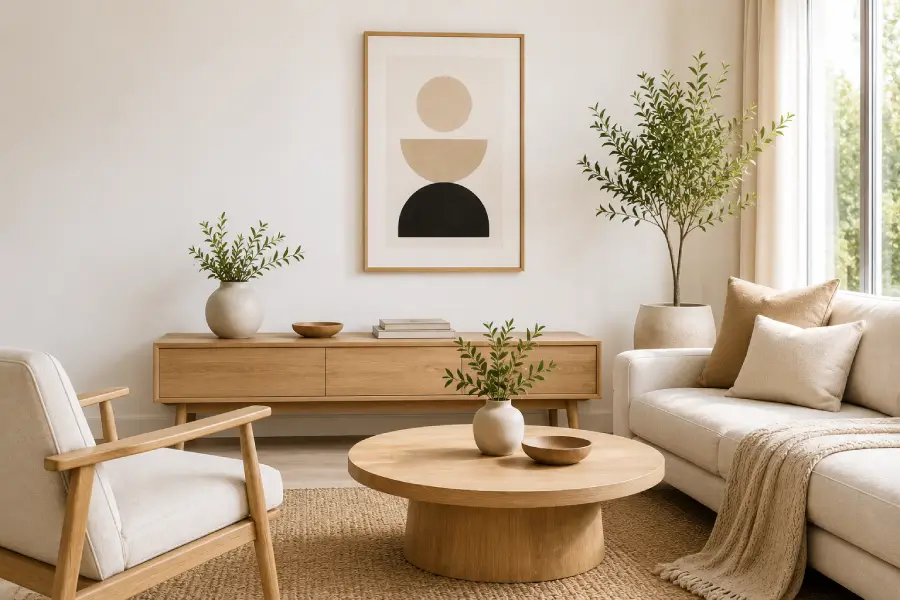
 In this comprehensive guide, you will explore practical minimalist home design ideas for every room, learn how to select lasting materials, master subtle color palettes, implement smart hidden storage solutions, and transform your home into a calm, functional, and beautifully organized living sanctuary.
Quick Summary
Minimalist home design is an intentional interior design strategy centered on simplicity, physical functionality, and purposeful arrangement. Key characteristics include neutral and warm tonal color schemes, clean architectural silhouettes, uncluttered surfaces, natural light maximization, versatile multi-use furniture, and concealed storage systems that together cultivate a restful, efficient living environment.
Table of Contents
- What Is Minimalist Home Design?
- Benefits of a Minimalist Home
- Core Principles of Minimalist Interior Architecture
- Minimalist Living Room Ideas
- Minimalist Bedroom Ideas for Restful Living
- Minimalist Kitchen Design & Layouts
- Minimalist Spa-Inspired Bathroom Ideas
- Minimalist Home Office for Focus
- Minimalist Dining Room Inspiration
- Minimalist Entryway & Foyer Design
- Minimalist Balcony & Outdoor Spaces
- Minimalist Strategies for Compact Apartments
- Mastering the Minimalist Color Palette
- Smart Concealed Storage Solutions
- Budget-Friendly Ways to Achieve a Minimalist Look
- Decorating with Texture and Organic Materials
- Common Minimalist Design Mistakes to Avoid
- The Minimalist Home Design Checklist
- Minimalist Interior Trends for 2026
- Frequently Asked Questions
- Final Thoughts
What Is Minimalist Home Design?
At its core, minimalist home design rests on the foundational architecture principle that “form follows function” and “less is more.” Rather than crowding rooms with decorative excess, heavy drapery, or intricate patterns, minimalist interiors embrace open space, proportion, and physical ease.
Every item selected for a minimalist interior serves a distinct function or contributes intentionally to the home’s overall harmony. Furniture pieces are picked for clean silhouettes, durable craftsmanship, and scale. Decorative items are introduced sparingly as focal points rather than cluttered displays. The ultimate result is a home that feels open, airy, and easy to maintain over time.
Modern minimalist interiors frequently blend elements from Scandinavian (Scandi), Japanese (Japandi), and contemporary modern traditions. They highlight organic materials such as unrefined oak, smooth stone, natural linen, brushed metals, and structural glass. Generous window treatments, neutral paint tones, and open-plan layouts further amplify ambient light, turning space itself into the primary design element.
Key Characteristics of Minimalist Interiors
- Crisp, clean architectural lines and simple geometric forms
- Monochromatic or warm, neutral tonal color foundations
- Curated, intentional decor items over mass-produced accessories
- Streamlined furniture with low profiles and visible legs
- Uncluttered, open floor plans that promote easy movement
- Maximization of natural daylight through unadorned windows
- Seamless built-in or concealed storage units
- Emphasis on material quality, grain, and physical texture over surface pattern
Benefits of Choosing a Minimalist Home Design
Embracing a minimalist aesthetic extends far beyond simple home styling; it directly shapes your daily psychological well-being, routines, and home maintenance.
1. Reduced Visual Noise and Mental Stress
Physical clutter creates subconscious visual friction, making it harder for the brain to relax. By removing excess items and keeping surfaces clear, your home becomes a quiet retreat from the fast-paced outside world.
2. Effortless Cleaning and Maintenance
Fewer loose objects, elevated furniture bases, and hidden storage options dramatically cut down on dusting, sweeping, and organizing time. This gives you back precious hours every week.
3. Maximize Usable Square Footage
Minimalism relies on smart layout planning and versatile multi-use furniture. This approach opens up floor space, allowing small rooms or urban apartments to feel remarkably open and spacious.
4. Enduring, Timeless Aesthetic
Because minimalist spaces avoid short-lived decor trends, they age gracefully. A foundation built on natural wood, quality upholstery, and neutral walls looks just as stylish decades down the line with simple seasonal updates.
5. Superior Natural Lighting and Airflow
Fewer bulky partitions and heavy window coverings allow natural light to penetrate deeper into your home. This improves mood, lowers energy usage during the day, and boosts indoor air circulation.
Core Principles of Minimalist Interior Architecture
Creating a successful minimalist space requires a clear understanding of its foundational design principles. These guidelines keep your home from feeling cold or empty, ensuring it remains comfortable and practical.
Prioritize Pure Functionality
Before introducing any new piece of furniture or decor, evaluate its real-world utility. If an item doesn’t serve a daily physical purpose or contribute meaningfully to the room’s aesthetic balance, leave it out.
Choose Quality Over Quantity
Instead of buying multiple budget accessories to fill up open shelving, invest in a single well-crafted wooden dining table, a hand-thrown ceramic vase, or a durable wool rug.
Embrace Negative Space
Negative space—the empty floor areas, bare wall sections, and open tabletop surfaces—is just as vital as the furniture itself. It gives the eyes room to rest and allows key focal pieces to stand out.
Curate Warm Tonal Neutrals
Layering shades of off-white, warm beige, soft stone, and muted taupe builds visual depth without relying on busy, high-contrast patterns.
Conceal the Daily Essentials
Integrate flush, handleless cabinetry, floating credenzas, and integrated drawer dividers. Keeping daily items stored out of sight preserves clean visual lines across every room.
Minimalist Living Room Design Ideas
As the central gathering hub of the home, the living room benefits immensely from a thoughtful minimalist transformation. A clean living space encourages conversation, simplifies entertaining, and offers an inviting spot to wind down.
Select Low-Profile, Streamlined Seating
Anchor the room with a comfortable sofa featuring clean lines and durable, neutral fabric upholstery such as linen, boucle, or performance weave. Choose a low-profile design raised on slim wooden or metal legs to allow light to pass underneath, making the room feel larger.
Focus on a Singular Visual Focal Point
Avoid scattering decorative items across every corner. Instead, anchor the room around one primary element—a large architectural fireplace, a piece of canvas art, or a expansive window overlooking outdoor greenery.
Optimize Lighting Layers
Ditch bulky overhead fixtures for subtle architectural lighting. Combine hidden LED cove lighting, warm floor lamps with fabric shades, and dimmable recessed spotlights to create an inviting evening atmosphere.
Living Room Furniture & Decor Essentials
- Tailored sofa in warm cream, oatmeal, or light slate
- Solid wood or honed stone coffee table with rounded edges
- Low-pile wool or jute rug that anchors the seating group
- One large architectural plant (such as a Fiddle Leaf Fig or Olive Tree)
- Concealed, wall-mounted media console with wire management
- Full-height sheer linen drapery panels
- Dimmable warm LED standing floor lamp
Minimalist Bedroom Ideas for Restful Living
The bedroom should serve as a dedicated sanctuary for rest and recovery. Applying minimalist principles here removes visual distractions, encouraging healthier sleep habits and a peaceful morning routine.
Anchor with a Simple Platform Bed
Choose a low platform bed crafted from natural timber or upholstered in neutral fabric. Avoid ornate headboards with built-in shelves that collect dust and clutter.
Dress the Bed in Pure Natural Textiles
Opt for breathable linen or organic cotton bedding in soft shades of white, ivory, or warm sand. Layering subtle textile weights provides cozy warmth without requiring vibrant decorative pillows.
Clear the Nightstands
Keep bedside tables free of loose cables, books, and clutter. Mount wall sconces above the nightstands to free up surface space for just a glass of water and a warm reading light.
| Recommended Element | Design Specification | Minimalist Function |
|---|---|---|
| Platform Bedframe | Low-profile solid oak or walnut | Establishes a clean, grounded visual anchor |
| Flush Floor-to-Ceiling Closet | Handleless push-to-open doors | Conceals clothing and accessories completely |
| Wall-Mounted Nightstands | Floating wooden drawer design | Keeps floor space clear and easy to clean |
| Organic Linen Bedding | Washed linen in stone or off-white | Adds rich tactile warmth without busy patterns |
| Dimmable Wall Sconces | Warm 2700K indirect LED fixtures | Frees up tabletop space while setting a calm mood |
Minimalist Kitchen Design & Layouts
A minimalist kitchen combines clean aesthetics with high-grade culinary efficiency. Streamlining the layout keeps cooking prep smooth, functional, and organized.
Adopt Slab-Front, Handleless Cabinetry
Choose flat-panel cabinet doors with integrated J-pull handles or push-to-open hardware. This eliminates visual busyness, giving your kitchen walls a smooth, continuous look.
Keep Countertops Completely Clear
Designate internal cabinet space for everyday appliances like block toasters, blenders, and coffee makers. Clear, open counters instantly make any kitchen feel larger and more hygienic.
Select Continuous Backsplash Materials
Instead of small mosaic tiles with intricate grout lines, install large-format porcelain slabs or continue your quartz countertop material straight up the wall for a seamless, easy-to-clean backdrop.
- Appliance garages with pull-out trays to keep small electronics hidden
- Full-extension deep drawers with custom peg organizers for cookware
- Under-cabinet recessed LED strip lighting for shadow-free task prep
- Undermount stainless steel or composite granite sinks with sleek matte faucets
- Integrated panel-ready refrigerators and dishwashers that match the cabinetry
Minimalist Spa-Inspired Bathroom Ideas
By simplifying materials and focusing on concealed storage, a minimalist bathroom turns daily routines into a relaxing, spa-like experience.
Install floating vanities that expose the floor underneath, frameless glass shower enclosures, and large-format neutral porcelain tiles. Keep personal toiletries hidden inside recessed medicine cabinets to leave sink surfaces completely clear.
Bathroom Design Checklist
- Wall-hung vanity with integrated drawer organization
- Frameless glass walk-in shower panel
- Recessed wall niches for shampoo and soap storage
- Large-format matte porcelain wall and floor tiles
- Concealed wall-mounted brassware and fixtures
- Plush, color-matched organic cotton towels
- Minimalist mirror with soft built-in backlighting
Minimalist Home Office for Focus
A clutter-free workspace directly supports mental clarity, focus, and productivity. Eliminating unnecessary desk items helps reduce distractions throughout the workday.
Keep the Desk Surface Streamlined
Your workspace should only hold your essential work gear—such as a monitor, keyboard, mouse, and notebook. Store loose paperwork, pens, and filing out of sight in nearby drawers.
Master Cable Management
Use under-desk cable trays, raceways, and wireless charging pads to hide tangled power cords and keep floor spaces neat.
- Sleek wooden desk with built-in cord management channels
- Ergonomic task chair upholstered in breathable, neutral mesh or fabric
- Single articulated LED desk lamp with adjustable warm light
- Hidden drawer units or floating credenzas for physical files
- Monochromatic wall art or a single plant to frame the desk view
Minimalist Dining Room Inspiration
The dining room should celebrate shared meals and calm conversation without overwhelming guests with excessive tableware or furniture.
Select a solid wood or stone-top dining table surrounded by comfortable chairs featuring clean silhouettes. Highlight the space with a single statement pendant light suspended over the table, keeping sideboard surfaces uncluttered.
Minimalist Entryway & Foyer Design
The entryway sets the tone for your entire home. A well-organized foyer offers a calm welcome, preventing outdoor clutter from spilling into your living areas.
- Slim floating console table or built-in bench with shoe storage
- Full-height or oversized wall mirror to reflect natural light
- Concealed coat closet or hidden wall pegs for jackets and bags
- Woven catch-all tray or drawer for keys and daily essentials
- Single indoor plant or ceramic bowl as a soft accent
Minimalist Balcony & Outdoor Spaces
Even small urban balconies or patios can become peaceful outdoor retreats when approached with a minimalist mindset.
Choose weather-resistant folding wooden furniture, slim metal framing, and neutral outdoor cushions. Group potted plants in simple terracotta or concrete planters along corners to keep floor walkways clear.
Minimalist Strategies for Compact Apartments
Minimalism is ideal for small footprint living, where every square foot counts toward daily comfort and function.
Incorporate Multi-Purpose Furniture
Invest in furniture that serves dual functions—such as storage ottomans, bed frames with integrated hydraulic drawers, or extendable dining tables that adapt to guests.
Keep Furniture Legs Visible
Pieces raised on slender legs allow sightlines and light to pass through underneath, making small rooms feel noticeably larger and lighter.
- Wall-mounted drop-leaf desks for compact work setups
- Nesting side tables that easily tuck away when not in use
- Floor-to-ceiling drapery hanging high above window frames to add visual height
- Oversized wall mirrors that reflect light and expand spatial depth
- Floating wall shelves that utilize vertical wall real estate
Mastering the Minimalist Color Palette
Color sets the mood for minimalist spaces. Rather than relying on bold, contrasting walls, minimalist schemes layer subtle, harmonious tones to build warmth and depth.
| Base Color | Complementary Accent Tones | Best Applied In |
|---|---|---|
| Warm Alabaster White | Natural Oak, Brushed Brass, Soft Linen | Walls, Ceilings, Main Cabinetry |
| Soft Sand Beige | Oatmeal, Terracotta, Burnt Umber | Living Rooms, Primary Bedrooms |
| Muted Stone Gray | Matte Black, Charcoal, Light Ash | Bathrooms, Kitchen Countertops |
| Pale Sage Green | Warm Off-White, Rattan, Raw Clay | Home Offices, Guest Bedrooms |
| Deep Warm Taupe | Smoked Glass, Bronze, Cream | Formal Dining Spaces, Libraries |
Smart Concealed Storage Solutions
Hidden storage is the true secret behind maintaining a sleek, minimalist home long term. Keeping everyday items stored away prevents clutter from accumulating on flat surfaces.
- Floor-to-Ceiling Cabinetry: Custom built-ins that match wall paint colors eliminate visual breaks and maximize vertical storage.
- Bench Seating Storage: Entryway and dining benches with lift-up tops provide hidden spots for shoes, linens, and sports gear.
- Recessed Wall Cabinets: Bathroom medicine chests and hallway cabinets set flush into drywall preserve room depth.
- Under-Bed Hydraulic Frames: Lifts the mattress effortlessly to reveal dust-free storage for seasonal clothing and extra bedding.
- Custom Drawer Inserts: Dedicated dividers for cutlery, cosmetics, and electronics keep drawer interiors neatly sorted.
Budget-Friendly Ways to Achieve a Minimalist Look
Transitioning to a beautiful minimalist home doesn’t require a costly, full-scale remodel. Because minimalism centers on buying less, you can easily transform your space through thoughtful, step-by-step choices.
Practical, Low-Cost Refresh Ideas
- Declutter ruthlessly by donating or selling items that no longer serve a clear purpose.
- Repaint walls with a fresh coat of warm off-white or soft greige to brighten the space.
- Rearrange existing furniture to open up central walkways and maximize natural light.
- Remove heavy, dark window drapes and replace them with affordable sheer panels.
- Group loose surface items into simple woven baskets or wooden trays.
- Prune decorative displays down to one or two high-impact focal pieces per room.
- Update cabinet hardware with simple, sleek matte black or brushed metal handles.
Decorating with Texture and Organic Materials
When you remove busy patterns and bright colors, physical texture becomes the star of your design. Mixing tactile materials prevents minimalist spaces from feeling cold, flat, or clinical.
Blend Contrasting Tactile Elements
Pair smooth honed marble surfaces with soft wool textiles, or place a matte ceramic vase on a warm, wire-brushed oak tabletop. The contrast between rough and smooth surfaces adds depth without visual clutter.
Incorporate Indoor Greenery
Plants bring natural movement, color, and life into minimalist rooms. Choose varieties with strong architectural shapes—such as a Strelitzia (Bird of Paradise), Snake Plant, or Ficus Monstera—and pair them with simple concrete or ceramic pots.
Common Minimalist Design Mistakes to Avoid
Creating a refined minimalist space requires balance. Avoid these frequent design missteps to keep your home feeling warm, welcoming, and easy to live in.
| Design Mistake | Why It Fails | The Practical Solution |
|---|---|---|
| Over-clearing essential furniture | Makes rooms feel empty and uncomfortable to live in | Keep functional, comfortable seating scaled correctly to the room |
| Using cold, stark white paint everywhere | Creates a clinical, institutional atmosphere | Choose warm off-whites with yellow or red undertones |
| Relying on a single overhead light | Casts harsh shadows and flattens room depth | Layer ambient LED strips, floor lamps, and warm wall sconces |
| Ignoring functional storage needs | Causes daily clutter to quickly pile up on open surfaces | Plan concealed cabinets and drawers before removing storage furniture |
| Neglecting physical texture | Leaves the interior looking flat, dull, and uninviting | Layer organic linens, light woods, wools, and matte ceramics |
The Minimalist Home Design Checklist
Use this quick room-by-room reference checklist to keep your minimalist home refresh on track.
- ✔ Neutral, warm paint color foundation applied across connecting spaces
- ✔ Furniture scaled properly to the room with clear, open pathways
- ✔ All electrical cables, power strips, and cords neatly hidden
- ✔ Flat surfaces (countertops, tables, desks) kept 80% free of loose items
- ✔ Concealed storage solutions organized with functional interior dividers
- ✔ Natural daylight maximized with light, sheer window treatments
- ✔ Lighting layered with dimmable, warm-tone fixtures (2700K–3000K)
- ✔ Decor pared down to curated focal statements
- ✔ Rich organic textures (wood, stone, linen) layered throughout
- ✔ Healthy indoor plants placed in simple, neutral pots
Minimalist Interior Trends for 2026
Minimalism continues to evolve, moving away from cold, stark interiors toward softer, warmer, and more sustainable living environments.
1. Warm “Soft” Minimalism
Strict, clinical cool grays have been replaced by rich alabaster, sand, warm ivory, and muted terracottas that create a cozy, grounded sanctuary.
2. Japandi Fusion
The blend of Japanese functional simplicity and Scandinavian rustic warmth remains popular, celebrating natural wood grains, low profile furniture, and handmade ceramics.
3. Soft Curved Geometry
Hard, sharp rectangular edges are giving way to gentle arches, rounded sofa silhouettes, and pill-shaped coffee tables that soften room layouts.
4. Concealed Smart Tech
Smart home technology is seamlessly integrated into wall panels, with hidden speakers, frame TVs that display art, and subtle motorized shading.
Frequently Asked Questions
What is minimalist home design?
Minimalist home design focuses on simplicity, physical functionality, clean architectural lines, neutral color schemes, and clutter-free environments to build calm, purposeful living spaces.
Can minimalist design work in small apartments?
Yes. Minimalist principles excel in small apartments by utilizing multi-purpose furniture, hidden built-in storage, light-reflecting color schemes, and open floor layouts.
Is minimalist home design expensive to implement?
No. Minimalism centers on buying fewer, higher-quality, long-lasting items and decluttering unnecessary accessories, making it adaptable to any budget.
What color palettes work best for minimalist interiors?
Warm alabaster whites, cream, beige, soft taupe, stone gray, sage green, and natural wood tones form timeless minimalist foundations.
How can I make a minimalist home feel warm rather than cold?
Incorporate rich natural textures—such as raw oak wood, wool rugs, linen curtains, woven fibers, ambient warm lighting, and living indoor plants—to add tactile depth without visual clutter.
Related Articles
Conclusion
Minimalist home design is far more than a passing decorative style—it is a thoughtful approach to interior architecture that fosters calm, clarity, and daily efficiency. By prioritizing quality over quantity, adopting warm neutral color palettes, maximizing natural daylight, and utilizing smart concealed storage, you can design a space that looks beautiful and simplifies everyday living.
Whether you are remodeling an entire floor plan or simply streamlining a single room, the practical ideas in this guide offer a lasting blueprint for creating a clean, stylish, and welcoming minimalist sanctuary.
Disclaimer
The design ideas, material recommendations, and layout suggestions in this guide are provided for general educational and inspirational purposes. Product availability, structural constraints, and material pricing may vary by region and property layout. Consult with qualified interior designers or structural contractors for major home renovations.