
Car camping is one of the most accessible and rewarding ways to explore the great outdoors. Unlike wilderness backpacking—which requires hauling a 40-pound pack over rugged mountain passes and carefully weighing every ounce of food—car camping lets your vehicle do all the heavy lifting. You can pack a comfortable foam mattress, a cooler full of fresh food, a double-burner stove, warm blankets, and real camp chairs without worrying about pack weight.
For beginners, car camping serves as an ideal bridge into outdoor living. You can use your everyday sedan, hatchback, SUV, minivan, or pickup truck to access established national park campgrounds, scenic state recreation areas, or quiet public forest lands. Having your car right at your campsite gives you a dry shelter during rainstorms, a secure place to lock up food, and an easy exit if the weather turns bad.
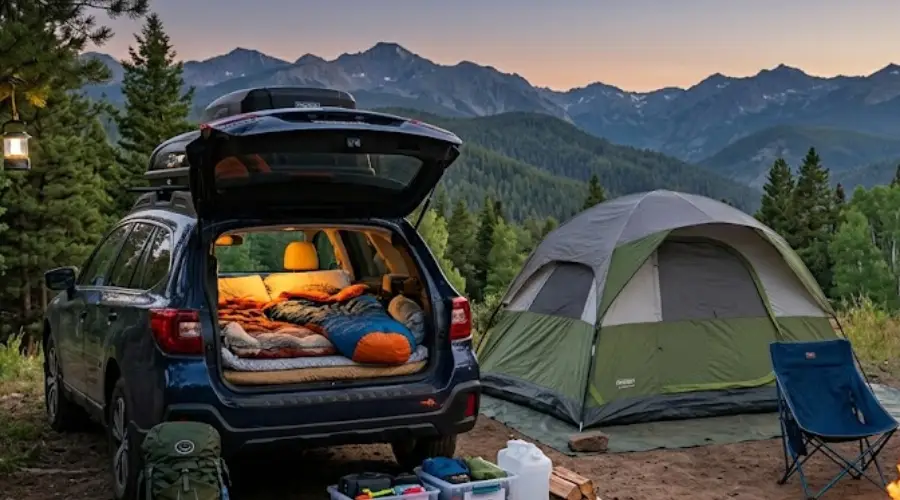 However, a comfortable car camping trip requires thoughtful preparation. Showing up at a dark campsite without a level parking spot, adequate sleeping insulation, proper ventilation, or a clear system for food storage can quickly lead to an uncomfortable night.
This complete car camping guide for beginners walks you through every step of the process. You will learn how to choose legal campsites, build a comfortable sleeping setup inside your car or tent, engineer a functional camp kitchen, manage interior condensation, pack the right gear, and stay safe in the outdoors.
What Is Car Camping & How Does It Work?
The term car camping has two common meanings among outdoor travelers, and both offer distinct benefits:
- Vehicle Sleeping (Car Inhabiting): You fold down the rear passenger seats of an SUV, hatchback, wagon, or minivan, lay down a sleeping pad or foam mattress, and sleep directly inside the secure, hard-sided interior of your vehicle.
- Drive-Up Tent Camping: You drive your vehicle directly to a numbered, designated campsite, park your car in the driveway spur, and pitch a spacious stand-up tent on the campsite’s ground pad, using your vehicle’s trunk as your gear locker and pantry.
Both styles share the same core benefit: your vehicle serves as your basecamp. You don’t have to compromise on comfort. You can bring real cast-iron cookware, heavy canvas sleeping bags, large coolers with ice, extra clothing layers, and camping furniture.
Car Camping Terminology Breakdown
- Established Frontcountry Campground: A structured recreation area (like in a State or National Park) with numbered sites, picnic tables, fire rings, drinking water spigots, flush toilets, and camp hosts.
- Dispersed / Boondocking Camping: Free camping on public lands (such as Bureau of Land Management (BLM) land or National Forest roads) with zero amenities—no toilets, no running water, no trash bins, and no picnic tables.
- Day-Use vs. Overnight Parking: Day-use areas require vehicles to leave by sunset; overnight camping is strictly limited to authorized zones.
Why Car Camping Is the Best Entry Point for Beginners
If you have never slept outdoors before, car camping is the safest, lowest-stress way to learn:
1. Zero Weight Penalties
In backpacking, every extra pound of gear strains your knees and back. In car camping, an extra 20 pounds of heavy blankets or extra water costs you almost nothing in vehicle fuel. You can bring extra pillows, heavier blankets, and extra food without stress.
2. Instant Emergency Shelter
If a sudden severe thunderstorm hits at 2:00 AM, blowing down tent poles and soaking the ground, you don’t have to panic. You can simply open your car door, climb inside the dry, windproof cabin, lock the doors, and sleep safely until morning.
3. Real Food and Fresh Cooking
Instead of eating dehydrated freeze-dried meals out of a pouch with boiled water, you can pack a heavy cooler with fresh eggs, steaks, real butter, fresh produce, and cold drinks. A two-burner propane camp stove lets you cook real home-style meals under open skies.
4. Low Initial Financial Investment
You don’t need to buy thousands of dollars in ultra-light titanium gear. You can start your first trip using things you already own at home: standard bed pillows, household comforters, kitchen pots, a basic flashlight, and a standard plastic cooler.
Evaluating Your Vehicle: Sedans, Hatchbacks, SUVs & Trucks
You do not need an expensive four-wheel-drive overland rig or a converted campervan to go car camping. Almost any road-worthy passenger vehicle can be used if you understand its layout:
| Vehicle Class | Best Setup Approach | Pros | Cons |
|---|---|---|---|
| Sedan / Compact Car | Drive-up tent camping (use trunk for gear storage) | High fuel economy, easy to drive, fits in any campsite driveway. | Rear seats rarely fold flat; interior sleeping space is cramped for adults. |
| Hatchback / Wagon | Interior vehicle sleeping (1 person) or tent camping | Flat cargo floor with rear seats folded; good vertical rear hatch clearance. | Limited shoulder width for two adults; requires moving gear to front seats at night. |
| Mid-to-Full SUV | Interior vehicle sleeping (1–2 adults) | Generous length (often 6+ feet of flat floor space); solid ground clearance for dirt roads. | Some models have a slight incline or gap when rear seats fold forward. |
| Minivan | Ultimate vehicle sleeping basecamp | Stow-and-go seats fold completely into the floor; immense vertical headroom and dual sliding doors. | Lower ground clearance on rough, unpaved forest service tracks. |
| Pickup Truck | Truck bed tent or enclosed truck-cap camper | Separates dirty gear from sleeping platform; excellent off-road capability. | Truck bed requires a weatherproof fiberglass shell or truck-bed tent for rain protection. |
Pro Measurement Tip: Before buying any mattress, push both front driver and passenger seats all the way forward. Use a tape measure to record the length from the back of the front seats to the closed rear tailgate, as well as the narrowest width between the rear wheel wells.
Step-by-Step Planning: Finding Legal Campsites & Permits
A great camping trip begins with selecting a campsite that matches your comfort level. For your first trip, choose an established frontcountry campground with basic amenities.
1. Where to Find and Book Campsites
- Recreation.gov: The official portal for reserving campsites in US National Parks, National Forests, and Army Corps of Engineers lakes.
- State Park Reservation Systems: (e.g., ReserveCalifornia, Texas State Parks) State parks often feature cleaner bathrooms, hot showers, and quieter surroundings than crowded national parks.
- Private Campgrounds (KOA, Hipcamp): Private campgrounds offer dependable amenities like hot showers, electrical hookups, camp stores, Wi-Fi, and laundry facilities.
- Public Dispersed Land (iOverlander, Campendium, Gaia GPS): Apps that map out free, legal dispersed camping sites on BLM and US Forest Service lands for self-contained campers.
2. The Golden Rule: Arrive Two Hours Before Sunset
The single biggest mistake beginner campers make is arriving at the campground in pitch-black darkness. Backing your car into an unfamiliar campsite, finding the water spigot, setting up your bedding, and cooking dinner by the beam of a headlamp is frustrating. Always plan your driving route to arrive at least two hours before sundown so you can set up comfortably in daylight.
Building a Comfortable Sleeping Setup (In-Car vs. Tent)
Your sleeping setup directly determines how much you enjoy your trip. If you wake up shivering or with a sore back, the most scenic view in the world won’t save your morning.
Option A: Sleeping Inside Your Vehicle
Sleeping inside a vehicle provides security and insulation from wind. However, vehicle floors are rarely level or completely flat.
- Leveling the Vehicle: If you park on an incline, you will slide down your mattress all night. Park your car so your head is slightly elevated above your feet, or use plastic leveling blocks under your tires.
- Bridging the Seat Gap: When folding second-row seats flat, there is often an open footwell gap between the folded seatback and the front seats. Fill this gap using storage totes, duffel bags, or foam blocks to support your pillow.
- Mattress Selection: Avoid thin, single-layer pool-style inflatable mattresses. They have zero thermal insulation (R-value) and pull cold air from the vehicle metal straight into your body. Choose a 3- to 4-inch self-inflating open-cell foam mattress or a trifold high-density memory foam pad.
Option B: Sleeping in a Ground Tent
If you have a compact car or multiple family members, a ground tent provides plenty of room to stand up, change clothes, and relax.
- Tent Sizing Rule of Thumb: Always add “+1” or “+2” to the manufacturer’s tent capacity rating. A “2-person tent” barely fits two sleeping bags with zero room for bags. For two adults, buy a 4-person or 6-person cabin-style tent so you have space for gear and a tall ceiling.
- Ground Tarp / Footprint: Lay a durable plastic ground tarp underneath your tent to protect the floor from sharp stones, sticks, and ground moisture. Ensure the tarp is tucked completely under the tent edges so rainwater doesn’t pool underneath.
Managing Ventilation, Window Screens & Condensation
A sleeping adult exhales roughly half a liter to a full liter of water vapor every night. In an enclosed car with the windows rolled tightly shut, this warm moisture hits the cold window glass and vehicle sheet metal, creating heavy interior condensation. By 5:00 AM, the inside of your windshield will be dripping wet, and your sleeping bag fabric will feel damp.
How to Prevent In-Car Condensation:
- Crack Opposite Windows: Lower at least two windows (one on each side of the car) by half an inch to an inch to establish continuous airflow.
- Install Mesh Window Socks: Buy elastic mesh window bug screens that slip over the entire door frame like a pillowcase. This lets fresh air circulate while keeping mosquitoes, moths, and bugs outside.
- Use Moisture Absorbers: Placing a hanging silica gel moisture absorber or a dehumidifier tub in the footwell helps capture excess air moisture.
- Never Sleep with Wet Clothing: Change out of damp hiking clothes or socks before getting into bed. Store wet jackets and boots in a sealed plastic storage bin outside or in the trunk.
Staying Warm in Cold Weather and Cool in Summer
Cars are made of sheet metal and glass—two materials that conduct heat and cold rapidly. Without proper planning, a car gets hotter than a tent in the sun and colder than a tent at night.
How to Sleep Warm on Cold Nights:
- Understand Sleeping Bag Temperature Ratings: A sleeping bag’s advertised rating (e.g., “30°F Rating”) is a survival limit, not a comfortable sleep rating. To sleep comfortably at 30°F, use a 15°F or 0°F rated sleeping bag, or add thick wool fleece blankets inside.
- Insulate from Below (R-Value): You lose warmth faster through the cold floor than through the air. Ensure your sleeping pad has an R-value of 4.0 or higher for cold-weather camping.
- Wear a Warm Beanie & Wool Socks: You lose significant body heat from your head. Sleep in clean, dry merino wool socks, thermal base layers, and a snug knit hat.
- The Hot Water Bottle Trick: Fill a durable Nalgene water bottle with boiling water, screw the cap on tightly, slip it inside a clean wool sock, and place it at the foot of your sleeping bag 20 minutes before bedtime. It will keep your feet warm for up to six hours.
How to Stay Cool on Hot Summer Nights:
- Park in Morning Shade: Position your vehicle so trees block the morning sun from hitting the east side of your car. Early morning sun turns a vehicle cabin into a greenhouse quickly.
- Use Reflective Sunshades (Reflectix): Cut custom insulation panels from foil bubble wrap (Reflectix) to fit your side and rear windows. In the daytime, face the reflective silver side outward to bounce sunlight away.
- Deploy USB-Rechargeable Misting Fans: Hang a small battery-powered camping fan from the overhead grab handle or coat hook to blow air directly over your face and chest.
The Camp Kitchen: Stoves, Coolers, Water & Meals
One of the greatest joys of car camping is cooking delicious, hearty meals in the fresh outdoor air. A well-organized camp kitchen setup keeps cooking simple and cleanup fast.
1. Choosing Your Camp Stove
- Classic 2-Burner Propane Stove: (e.g., Coleman Classic) The gold standard for car camping. Uses standard 16.4 oz green propane cylinders, offering stable heat, wind baffles, and two burners so you can brew coffee while frying eggs simultaneously.
- Single-Burner Butane / Backpacking Stove: Compact and lightweight, ideal for boiling water quickly for freeze-dried meals, tea, or pour-over coffee.
2. The Science of Cooler Packing
Keep food fresh and prevent soggy containers with smart cooler prep:
- Pre-Chill Your Cooler: Bring your cooler inside the night before and drop in a sacrificial bag of ice to chill the insulated walls before loading food.
- Use Block Ice Over Cubed Ice: Block ice melts much slower than small cubed ice bags. Freeze 1-gallon water jugs at home to use as ice blocks—as they melt, you get clean, chilled drinking water.
- Seal Food in Airtight Plastic Tubs: Never store raw meat or cheese in flimsy cardboard or zip-top bags; as ice melts, cooler water will seep in and spoil your food.
3. Water Calculations
Plan for a minimum of 1 gallon (3.8 liters) of water per person per day for drinking, food preparation, dishwashing, and teeth brushing. Carry water in durable, refillable 5-gallon rigid plastic jugs with on/off spigots.
4. Simple, Foolproof Meal Ideas
- Breakfast: Scrambled eggs with pre-cooked breakfast sausage, campfire breakfast burritos (wrapped in foil at home, reheated over the stove), or instant oatmeal with nuts and berries.
- Lunch: Turkey and cheese wraps, pita pockets with hummus and cured salami, or pasta salad packed in cold containers.
- Dinner: Cast-iron smash burgers, one-pot chili with cornbread, pre-marinated chicken skewers with grilled vegetables, or classic foil-packet campfire potatoes.
Campsite Organization, Lighting & Ergonomics
A messy campsite creates stress and leads to lost gear. Treat your car camping site like a house with separate functional zones:
- The Kitchen Zone: Positioned on the campsite’s wooden or metal picnic table, sheltered under an EZ-Up canopy tent if rain or intense sun is expected. Keep your stove, food tubs, and wash bins here.
- The Chill Zone: Group your portable folding camp chairs around the designated campfire ring (at least 6 feet back from embers).
- The Sleeping Zone: Inside your vehicle or tent, positioned on level ground away from the camp kitchen to prevent food smells near where you sleep.
Camp Lighting Systems
- Headlamps: The most important light source. Keep your hands free while cooking dinner or setting tent stakes in the dark. Use the “Red Light Mode” around camp to preserve your natural night vision.
- Warm LED Lanterns: Place dimmable, warm-tone rechargeable lanterns on the picnic table for dinner lighting.
- String Lights: Hang solar-powered or USB LED string lights inside your tent or under your awning for a cozy, diffused glow.
Bathroom Logistics, Camp Showers & Hygiene
Hygiene is a common concern for first-time campers. With basic preparation, staying clean outdoors is straightforward:
Campground Bathrooms vs. Dispersed Wilderness
- Established Campgrounds: Most have vault toilets (outhouses) or modern flush restrooms with running water. Always carry your own roll of toilet paper and a pocket bottle of hand sanitizer, as campground dispensers often run empty on busy weekends.
- Dispersed Camping (Digging a Cathole): If camping on BLM or National Forest lands with no toilets, walk at least 200 feet (70 adult paces) away from all trails, campsites, and natural water sources. Dig a hole 6 to 8 inches deep with a small trowel, deposit your waste, bury it completely with native soil, and pack out your used toilet paper in a sealed zip-top bag.
Outdoor Shower & Washing Hacks
- Biodegradable Body Wipes: Large unscented, biodegradable wet wipes are the easiest way to clean off dust, sunscreen, and sweat before climbing into your clean sleeping bag.
- Gravity Solar Shower Bag: Fill a 5-gallon black solar shower bag with water, set it on your car hood in the sun for three hours, and hang it from a tree branch for a warm rinse.
- Three-Bucket Dishwashing System: Use three small plastic tubs for camp dishes: Tub 1 (Warm soapy water with biodegradable soap like CampSuds), Tub 2 (Clean warm rinse water), and Tub 3 (Cold water with a splash of sanitizer). Never dump gray dishwater directly into a lake or stream; scatter it over soil 200 feet away from waterways.
Complete Master Car Camping Gear Checklist
Use this comprehensive, categorized checklist when packing for your trip:
| Category | Essential Items (Must-Have) | Comfort Upgrades (Nice-to-Have) |
|---|---|---|
| Sleeping | • Self-inflating foam mattress / pad (R ≥ 4.0) • Temperature-rated sleeping bag or heavy comforter • Standard bed pillow • Elastic mesh window bug screens • Custom window insulation shades (Reflectix) | • 12V heated car blanket • Silk sleeping bag liner • Earplugs & sleep eye mask • Trifold memory foam mattress topper |
| Camp Kitchen | • 2-burner propane camp stove + 2 fuel cans • Lighter / waterproof matches • Hard-sided cooler + block ice • 5-gallon water jug with spigot • Cast-iron skillet / nesting pot • Chef knife, cutting board, spatula, tongs • Plates, bowls, mugs, eating utensils • Biodegradable dish soap + sponge + 2 tubs • Heavy-duty trash bags | • 10×10 Pop-up shade canopy (EZ-Up) • AeroPress / French press coffee maker • Campfire roasting forks (marshmallows/hotdogs) • Roll-up aluminum camp table • 12V portable electric car fridge |
| Lighting & Power | • LED Headlamp with extra batteries • Rechargeable warm LED camp lantern • 20,000 mAh portable USB power bank • Long USB phone charging cables | • Solar-powered fairy string lights • 300W–500W Portable Lithium Power Station (Jackery/Bluetti) • Folding solar panel charger |
| Clothing & Footwear | • Moisture-wicking synthetic/merino base layers • Insulated fleece or down puffer jacket • Waterproof breathable rain shell jacket • Sturdy broken-in hiking shoes or trail runners • Slip-on camp shoes (Crocs / slip-on sandals) • 2–3 pairs clean merino wool socks • Warm knit beanie & wide-brim sun hat | • Thermal long underwear bottoms • Down camp booties (for freezing nights) • Compact microfiber pack towel |
| Safety & Tools | • Comprehensive First-Aid Kit (bandages, antiseptics, blister tape) • Pocket knife / multi-tool • Roll of duct tape + 50ft paracord • Portable jump-starter battery pack for car • Tire pressure gauge + 12V tire inflator • Offline downloaded maps on phone • Bear spray (if traveling in bear country) | • Small folding camping saw / camp hatchet • Portable satellite communicator (Garmin inReach) • Roadside emergency flare kit |
Leave No Trace Principles & Wildlife Food Safety
Protecting wild places ensures that campgrounds and public lands remain open, clean, and accessible for everyone. Practice the seven core Leave No Trace principles:
- Plan Ahead and Prepare: Check current fire restrictions and weather reports before leaving home.
- Travel and Camp on Durable Surfaces: Park only in designated driveway spurs or hard-packed dirt clearings; never drive vehicles over fragile grasses or wildflowers.
- Dispose of Waste Properly: “Pack it in, pack it out.” Inspect your campsite for tiny food wrappers, bottle caps, and micro-trash before driving away.
- Leave What You Find: Leave rocks, pinecones, flowers, and historical artifacts where they lie.
- Minimize Campfire Impacts: Use only established campfire rings. Buy firewood locally near the campground to prevent spreading destructive invasive tree beetles. Never leave a fire smoldering; douse it with water, stir with a stick, and drown it until coals are cold to the touch.
- Respect Wildlife: “A fed bear is a dead bear.” Never leave food, coolers, trash, scented toiletries, or toothpaste unattended on a picnic table or inside an unlocked tent. In bear country, store all food and scented items locked inside your vehicle’s trunk or inside campground-provided steel bear lockers.
- Be Considerate of Other Visitors: Keep music at low volumes, follow campground quiet hours (usually 10:00 PM to 6:00 AM), and avoid shining bright headlamp beams into neighboring campsites.
Safety Protocols: Weather, Battery Health & Carbon Monoxide
Staying safe while car camping requires simple common-sense precautions:
1. Carbon Monoxide Warning (Critical)
Never operate a propane heater, camp stove, or charcoal grill inside your car or tent. Fuel combustion produces carbon monoxide (CO)—an odorless, invisible, lethal gas. Always cook outside in open air. For in-vehicle warmth, use passive insulation (thick sleeping pads and sub-zero rated sleeping bags) or certified 12V low-voltage electric blankets powered by auxiliary battery stations.
2. Protecting Your Vehicle’s Starter Battery
Modern cars automatically turn on interior dome lights, dashboard screens, and headlights when doors are left open. If you spend an afternoon opening and closing your tailgate to grab gear, you can accidentally drain your car’s starter battery by nightfall.
- Turn your interior dome light switch to the permanent “OFF” position.
- Avoid using your car’s built-in 12V cigarette lighter to charge phones or run camping fans when the engine is off. Use a standalone portable USB power bank.
- Always pack a compact lithium-ion jump-starter pack in your glove box so you can jump-start your own car without needing a good Samaritan.
3. Managing Flash Floods & Hazard Trees
Never park or pitch a tent directly inside dry desert creek beds (washes), as distant mountain rain can trigger sudden flash floods in minutes. Look up before parking: avoid setting up beneath dead, leaning, or damaged tree limbs (“widowmakers”) that could fall in high winds.
Common Beginner Mistakes to Avoid
- Testing Gear for the First Time at Camp: Setting up a new tent, priming a new camp stove, or testing an inflatable mattress for the first time in the dark leads to mistakes. Do a complete test run in your living room or backyard before departure.
- Overcomplicating the First Trip: Don’t plan a 7-day, 2,000-mile multi-state road trip for your first outing. Choose a scenic state park within a 90-minute drive of your home for a single Saturday night trip. If something goes wrong, you can easily drive home.
- Ignoring R-Value Insulation: Packing three heavy blankets on top of you while sleeping on a bare, uninsulated vinyl air mattress will leave you freezing. Warmth comes from the insulation beneath your back.
- Leaving Camp Before Fire Is Cold: Pouring half a bottle of water on a campfire leaves burning coals underneath. Drown the fire with a full bucket of water, stir the ashes, and touch them with your bare hand to verify they are cold.
Frequently Asked Questions (FAQ)
What is the difference between car camping and backpacking?
In car camping, you drive directly to your campsite and use your vehicle for gear storage or as your sleeping quarters. In backpacking, you carry all shelter, food, water, and clothing in a backpack across wilderness trails away from roads.
Can you legally sleep in your car anywhere?
No. You must camp only in designated campgrounds (National/State Parks, private RV parks) or on legal dispersed public lands (such as BLM land or US Forest Service roads). Sleeping in residential zones, business parking lots, or highway rest stops is subject to local municipal laws.
How do you prevent condensation when sleeping inside a car?
Crack two opposite windows by half an inch (covered with mesh bug screens) to create cross-ventilation. Moisture from your breath must escape, or it will condense on cold window glass and soak your bedding.
Is it safe to run a camping heater or car engine overnight for warmth?
Never run a fuel-burning stove, charcoal grill, or unvented propane heater inside an enclosed car due to deadly carbon monoxide poisoning risks. Keep your engine turned off and rely on high-R-value insulated sleeping pads, thermal base layers, and sub-zero rated sleeping bags.
What is the best type of mattress for sleeping inside an SUV?
A self-inflating open-cell foam pad (such as a memory foam or foam-air hybrid camping mattress) is best. Standard thin pool-style air mattresses offer zero thermal insulation from the cold vehicle floor and tend to leak air during temperature drops.
Final Thoughts: Planning Your First Outdoor Night
Car camping is one of the most liberating, budget-friendly ways to disconnect from daily screens and reconnect with nature. It removes the physical strain of backpacking while providing the freedom to explore scenic lakes, dense forests, and rugged mountain valleys at your own pace.
Remember that every experienced camper started with a basic setup. You do not need the most expensive vehicle, custom wooden sleeping platforms, or high-tech gear to have an incredible weekend outdoors. Start simple: pack warm bedding, plan easy meals, bring plenty of water, organize your vehicle, and practice Leave No Trace ethics.
Pick a nearby state park, pack your car this Friday, and enjoy your first car camping adventure under the stars!
Editorial Note & Outdoor Safety Advisory
Campground regulations, fire restrictions, wildlife storage mandates, and weather advisories vary by park and season. Campers should consult official park ranger stations, land-management agencies (USFS, BLM), and regional weather services before departing on any outdoor trip.