

Whether you run a blog, eCommerce store, business website, or affiliate site, learning how to find the right keywords can dramatically improve your organic search performance.
In this guide, you’ll learn how to conduct keyword research using both free and paid tools while building a strategy that aligns with Google’s modern ranking systems.
Table of Contents
What Is Keyword Research?
Keyword research is the process of identifying the words and phrases people use when searching online.
These keywords help search engines understand your content and connect it with relevant users.
The goal is to find opportunities where your content can satisfy search demand while competing effectively in search results.
Why Keyword Research Matters in 2026
Google’s AI-powered search systems have become much better at understanding language, context, and user intent.
However, keyword research remains essential because it reveals:
- What people search for.
- How frequently topics are searched.
- User intent behind searches.
- Content opportunities.
- Competitive gaps.
- Revenue opportunities.
Without keyword research, content creation becomes guesswork.
Understanding Search Intent
Before selecting any keyword, understand why users are searching for it.
Google prioritizes pages that satisfy search intent.
Main Search Intent Types
- Informational: Users seek information.
- Navigational: Users want a specific website.
- Commercial: Users compare products or services.
- Transactional: Users are ready to take action.
Matching intent often matters more than keyword volume.
Keyword Types Every SEO Should Know
Short-Tail Keywords
Broad keywords with high search volume and strong competition.
Example: SEO
Long-Tail Keywords
More specific phrases with lower competition and higher conversion potential.
Example: how to do keyword research for SEO in 2026
Question Keywords
Keywords framed as questions.
Example: What is keyword research?
Commercial Keywords
Keywords used when comparing options.
Example: best SEO tools for keyword research
Step 1: Brainstorm Seed Keywords
Every keyword research campaign begins with seed keywords.
Seed keywords are broad topics directly related to your niche.
Examples for an SEO Website
- SEO.
- Keyword research.
- Technical SEO.
- Link building.
- Google rankings.
- Content marketing.
These seed keywords become the starting point for discovering hundreds of keyword opportunities.
Step 2: Analyze Search Intent Before Choosing Keywords
Many beginners focus only on search volume.
However, ranking success depends heavily on intent alignment.
How to Analyze Intent
- Search the keyword in Google.
- Review top-ranking pages.
- Identify content formats.
- Analyze user expectations.
- Match content accordingly.
If the top results are guides, creating a product page may not rank well.
Step 3: Evaluate Keyword Difficulty
Keyword difficulty estimates how challenging it may be to rank for a specific keyword.
Competitive keywords often require stronger authority, backlinks, and content quality.
Factors Affecting Difficulty
- Domain authority.
- Backlink profiles.
- Content quality.
- Search intent alignment.
- Brand competition.
New websites often achieve faster results by targeting long-tail keywords first.
Free Keyword Research Tools
- Google Autocomplete.
- Google Search Console.
- Google Trends.
- People Also Ask.
- Related Searches.
- Keyword Surfer.
- AnswerThePublic (limited free version).
These tools provide valuable keyword insights without requiring a paid subscription.
Best Paid Keyword Research Tools for SEO in 2026
While free tools provide useful data, paid SEO platforms offer deeper insights, competitor analysis, keyword difficulty scores, traffic estimates, and content opportunities.
Professional SEO teams often combine multiple tools to build a comprehensive keyword strategy.
Popular Paid Keyword Research Tools
- Ahrefs.
- SEMrush.
- Moz Pro.
- Mangools KWFinder.
- Serpstat.
- Keyword Insights.
- SEO PowerSuite.
These tools help uncover thousands of keyword opportunities that may not be visible through free methods alone.
Using Ahrefs for Keyword Research
Ahrefs remains one of the most popular SEO platforms because of its extensive keyword database and competitor analysis capabilities.
How to Use Ahrefs
- Enter a seed keyword.
- Review keyword ideas.
- Analyze keyword difficulty.
- Check search volume.
- Study ranking competitors.
- Identify related topics.
Ahrefs is particularly valuable for discovering long-tail keyword opportunities.
Using SEMrush for Keyword Research
SEMrush provides keyword research, competitive intelligence, traffic estimates, and content planning tools.
SEMrush Features
- Keyword Magic Tool.
- Organic Research.
- Keyword Gap Analysis.
- Topic Research.
- Competitor Analysis.
SEMrush helps identify keywords competitors already rank for and reveals opportunities to target similar search terms.
Competitor Keyword Research Strategy
One of the fastest ways to find valuable keywords is by analyzing competitors.
If competitors rank successfully for certain topics, there is often an opportunity to create better content and compete for those rankings.
Competitor Analysis Process
- Identify major competitors.
- Analyze top-performing pages.
- Review ranking keywords.
- Find keyword gaps.
- Create superior content.
Competitor research often reveals opportunities that traditional brainstorming misses.
How to Find Low-Competition Keywords
New websites often struggle to rank for highly competitive terms.
Low-competition keywords can generate traffic more quickly while building authority.
Characteristics of Low-Competition Keywords
- Specific search intent.
- Long-tail phrases.
- Lower keyword difficulty.
- Emerging topics.
- Niche-focused searches.
Long-tail keywords often convert better because they target users with specific needs.
Keyword Clustering Explained
Google increasingly ranks pages based on topic coverage rather than individual keywords.
Keyword clustering groups related keywords together so a single page can rank for multiple search queries.
Example Keyword Cluster
Main Keyword: Keyword Research for SEO
Supporting Keywords:
- SEO keyword research tools.
- How to find SEO keywords.
- Keyword research strategy.
- Best keyword research software.
- Long-tail keyword research.
Clusters help create comprehensive content that satisfies multiple search intents.
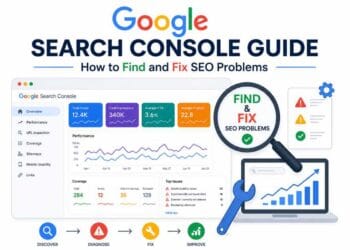
Using Google Search Console for Keyword Discovery
Many website owners overlook Google Search Console as a keyword research tool.
However, it provides real keyword data directly from Google.
What to Look For
- Queries with high impressions.
- Keywords ranking on page two.
- Low CTR opportunities.
- Emerging keyword trends.
Optimizing existing content around these opportunities often generates quick traffic gains.
Using Google Trends for Keyword Research
Google Trends helps identify seasonal patterns and emerging search topics.
Trend analysis can help content creators publish articles before competition increases.
Benefits of Google Trends
- Identify rising topics.
- Compare keyword popularity.
- Discover seasonal trends.
- Analyze geographic interest.
Trend-based content often performs well in Google Discover and organic search.
Common Keyword Research Mistakes
Targeting Only High-Volume Keywords
High search volume often means stronger competition.
Ignoring Search Intent
Traffic is difficult to earn if content doesn’t match user expectations.
Overlooking Long-Tail Keywords
Long-tail keywords frequently provide easier ranking opportunities.
Ignoring Competitor Analysis
Competitors can reveal valuable keyword opportunities.
Not Updating Keyword Strategies
Search behavior changes over time.
Advanced Keyword Research Strategies
Keyword research has evolved far beyond simply finding phrases with high search volume. Modern SEO focuses on understanding user intent, building topical authority, and creating content ecosystems that satisfy multiple search queries.
Advanced keyword research strategies help websites compete effectively even in highly competitive niches.
Advanced Strategies
- Topic clustering.
- Entity-based SEO.
- Search intent mapping.
- Competitor gap analysis.
- SERP feature targeting.
- AI search optimization.
Combining these strategies creates stronger SEO campaigns than relying on keyword volume alone.
Using AI for Keyword Research
Artificial intelligence has become an important part of keyword research workflows.
AI tools can help generate content ideas, identify semantic keywords, discover topic relationships, and uncover content gaps.
Benefits of AI-Assisted Research
- Faster topic discovery.
- Semantic keyword generation.
- Question keyword identification.
- Content gap analysis.
- Topic clustering suggestions.
While AI can accelerate research, human judgment remains essential for evaluating opportunities and understanding audience needs.
How to Identify High-Value Keywords
Not all keywords provide equal value.
Some keywords generate traffic but few conversions, while others attract highly qualified visitors.
Characteristics of High-Value Keywords
- Strong commercial intent.
- Clear user needs.
- Relevant audience.
- Reasonable competition.
- Potential for conversions.
The best keywords balance traffic potential with business value.
Optimizing Content Around Target Keywords
Finding keywords is only the first step. Proper implementation is equally important.
Keyword Placement Best Practices
- Include the primary keyword in the title tag.
- Use the keyword naturally in the introduction.
- Include keywords in headings where appropriate.
- Use semantic variations throughout content.
- Optimize image alt text.
- Include keywords in meta descriptions.
Avoid keyword stuffing and focus on natural readability.
Keyword Research Workflow for Beginners
- Choose a topic.
- Brainstorm seed keywords.
- Analyze search intent.
- Use free keyword tools.
- Use paid tools for deeper insights.
- Review competitors.
- Create keyword clusters.
- Select target keywords.
- Create optimized content.
- Track performance.
This workflow provides a repeatable process that can be used for any niche.
The Ultimate Keyword Research Checklist
- Identify seed keywords.
- Understand search intent.
- Analyze search volume.
- Evaluate keyword difficulty.
- Research competitors.
- Target long-tail keywords.
- Create keyword clusters.
- Build topical authority.
- Use free and paid tools.
- Track rankings regularly.
- Refresh keyword strategies.
- Optimize content for AI search.
Following this checklist helps create a sustainable SEO strategy focused on long-term growth.
Frequently Asked Questions (FAQ)
What is keyword research in SEO?
Keyword research is the process of finding and analyzing search terms people use in search engines to discover content, products, or services.
Are free keyword research tools enough?
Free tools can provide valuable insights, especially for beginners, but paid tools often offer deeper competitive and keyword data.
What are long-tail keywords?
Long-tail keywords are highly specific search phrases that typically have lower competition and higher conversion potential.
How often should keyword research be updated?
Keyword strategies should be reviewed regularly because search trends, competition, and user behavior change over time.
Which keyword research tool is best?
The best tool depends on your budget and goals. Many SEO professionals combine Google Search Console, Ahrefs, SEMrush, and Google Trends.
Google Discover Optimization Tips
- Publish original research.
- Create compelling headlines.
- Use high-resolution images.
- Maintain strong EEAT signals.
- Cover trending topics.
- Update content regularly.
- Improve page speed.
- Focus on audience value.
Keyword research combined with high-quality content can significantly improve Discover visibility.
Final Thoughts
Keyword research remains the cornerstone of successful SEO in 2026.
While Google’s AI systems have become more sophisticated, understanding what users search for and why they search for it continues to provide a competitive advantage.
The most effective keyword strategies combine search intent analysis, topical authority development, competitor research, and content optimization.
Whether you use free tools, paid platforms, or a combination of both, the goal remains the same: connect users with content that solves their problems and answers their questions.
By consistently applying the strategies outlined in this guide, website owners can build stronger rankings, attract more qualified traffic, and create sustainable long-term growth.