

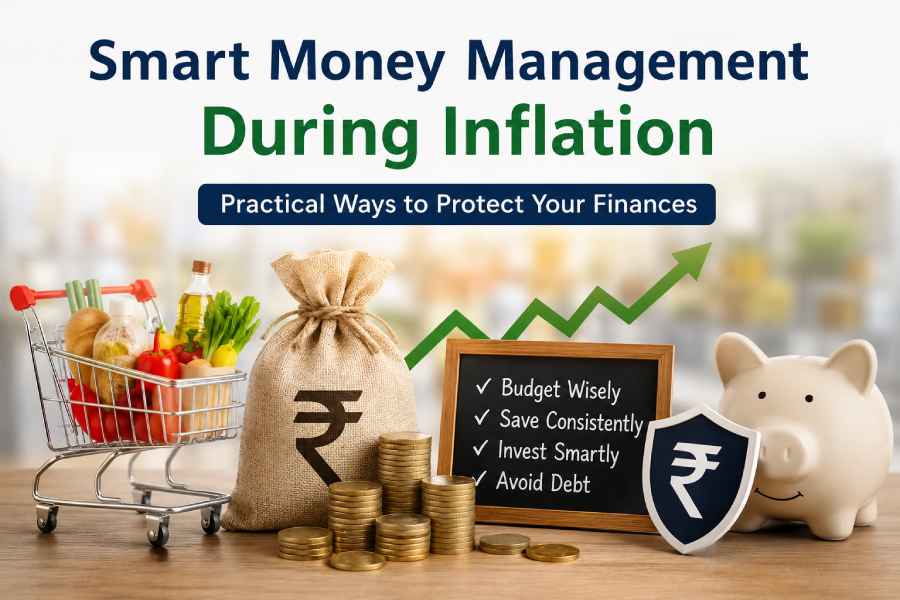
 Understanding how inflation impacts savings, investments, spending habits, and debt obligations is essential for making informed financial decisions. This guide explores practical money management strategies during inflation and provides actionable insights that can help strengthen financial security in 2026.
What Is Inflation?
Inflation refers to the general increase in prices over time, leading to a decline in the purchasing power of money. When inflation rises, consumers need more money to buy the same goods and services they previously purchased at lower prices.
Several factors contribute to inflation, including:
- Supply chain disruptions
- Increasing production costs
- Higher energy prices
- Economic expansion
- Government monetary policies
- Growing consumer demand
While moderate inflation is considered a normal part of economic growth, prolonged periods of high inflation can create challenges for households, businesses, and investors.
Why Money Management Matters During Inflation
Managing finances effectively becomes increasingly important during inflationary periods because every spending decision carries greater significance. Without proper planning, inflation can gradually erode savings and reduce long-term wealth accumulation.
Strong money management practices help individuals:
- Maintain purchasing power
- Control unnecessary spending
- Increase savings efficiency
- Protect investments
- Reduce financial stress
- Improve long-term stability
Assess Your Current Financial Situation
Before implementing new financial strategies, it is essential to understand your current financial position. Conduct a comprehensive review of:
- Monthly income
- Household expenses
- Debt obligations
- Savings accounts
- Investment portfolios
- Emergency funds
- Insurance coverage
Tracking expenses can reveal spending patterns and identify opportunities to optimize financial resources.
Create an Inflation-Adjusted Budget
Budgeting remains one of the most effective tools for managing finances during periods of rising prices. An inflation-adjusted budget accounts for increasing expenses while helping individuals prioritize essential spending.
Key budgeting categories include:
- Housing costs
- Food expenses
- Transportation
- Healthcare
- Insurance
- Savings goals
- Debt payments
- Discretionary spending
Regular budget reviews help ensure spending habits remain aligned with financial objectives.
Differentiate Needs From Wants
One of the most practical money management strategies during inflation involves distinguishing essential expenses from discretionary purchases.
Necessities often include:
- Rent or mortgage payments
- Utilities and Groceries
- Healthcare expenses
- Transportation costs
- Insurance premiums
Non-essential expenditures may include:
- Luxury purchases
- Frequent dining out
- Subscription services
- Impulse buying
- Premium entertainment expenses
Reducing discretionary spending can free up additional resources for savings and investments.
Build and Strengthen an Emergency Fund
Economic uncertainty often increases during inflationary periods. An emergency fund provides financial protection against unexpected expenses such as medical emergencies, job loss, or urgent repairs.
Financial professionals commonly recommend maintaining emergency savings equivalent to three to six months of essential living expenses. A dedicated emergency reserve reduces reliance on credit cards and high-interest borrowing during difficult situations.
Monitor Spending Habits Consistently
Inflation can gradually increase household expenses without immediate notice. Monitoring spending regularly helps individuals identify categories where costs are rising rapidly.
Tracking applications, budgeting software, and expense spreadsheets can provide valuable insights into spending trends. Consistent financial awareness supports better decision-making and encourages long-term discipline.
Increase Savings Efficiency During Inflation
Saving money becomes more challenging when inflation reduces purchasing power. However, maintaining a disciplined savings strategy remains essential for long-term financial stability.
Instead of keeping excessive funds in low-yield accounts, individuals may consider exploring savings options that offer competitive interest rates and better returns. Practical saving techniques include:
- Automating monthly savings contributions
- Setting specific financial goals
- Reviewing recurring expenses regularly
- Taking advantage of high-yield savings accounts
- Redirecting bonuses and additional income toward savings
- Establishing separate emergency and investment funds
Pay Down High-Interest Debt
Debt management is a crucial component of financial planning during inflationary periods. Higher interest rates often accompany inflation, making borrowing more expensive and increasing repayment burdens. Individuals carrying high-interest debt should prioritize repayment strategies to reduce financial pressure.
Common Debt Reduction Methods
1. Debt Snowball Method
This approach focuses on paying off the smallest debts first while maintaining minimum payments on larger balances. Eliminating smaller debts can create momentum and encourage continued progress.
2. Debt Avalanche Method
The avalanche strategy prioritizes debts with the highest interest rates. This method may reduce total interest expenses over the long term. Reducing debt obligations allows households to allocate more resources toward saving and investing.
Review Subscription Services
Monthly subscriptions often represent a significant portion of discretionary spending. Streaming platforms, software memberships, fitness services, and digital tools can accumulate substantial annual costs.
Evaluating subscriptions periodically helps identify services that provide limited value. Canceling unused memberships can generate additional savings without substantially affecting lifestyle quality.
Shop Strategically and Compare Prices
Consumers can reduce inflation-related financial pressure by becoming more intentional with purchasing decisions. Comparing prices before making purchases may lead to meaningful cost savings.
- Using discount programs and cashback opportunities
- Purchasing essential goods in bulk
- Taking advantage of seasonal promotions
- Comparing prices across retailers
- Planning purchases in advance
Invest Wisely During Inflation
Inflation can gradually reduce the value of idle cash holdings. Investing may help individuals preserve purchasing power and potentially generate returns that outpace inflation over time. Diversification remains an important principle when investing during uncertain economic conditions.
Investment Categories Often Considered During Inflation:
- Stocks and broad market index funds
- Dividend-paying companies
- Real estate investments
- Exchange-traded funds (ETFs)
- Precious metals (Gold/Silver)
- Treasury Inflation-Protected Securities (TIPS)
Diversify Income Sources
Relying exclusively on a single source of income can increase financial vulnerability during periods of economic uncertainty. Income diversification may improve resilience and provide greater flexibility.
- Freelance work and consulting services
- Rental income or real estate crowdfunding
- Dividend investing and passive income opportunities
- Online businesses, digital products, or affiliate marketing
Negotiate Expenses When Possible
Many consumers overlook opportunities to negotiate recurring expenses. Internet providers, insurance companies, mobile service providers, and utility companies occasionally offer discounts or alternative plans. Reviewing contracts and discussing available options may reduce monthly expenses.
Protect Retirement Savings
Inflation can significantly affect retirement planning because future living costs may be substantially higher than current expenses. Investors should periodically evaluate retirement portfolios to ensure they remain aligned with long-term objectives by reviewing asset allocation, risk tolerance, and portfolio diversification.
Review Insurance Coverage
Inflation may increase healthcare expenses, repair costs, and replacement values for insured assets. Reviewing insurance policies (Health, Life, Property, and Vehicle) regularly helps ensure adequate protection and reduces potential financial disruptions.
Adopt Energy-Saving Habits
Rising energy prices frequently contribute to inflationary pressures. Households may lower utility expenses by using energy-efficient appliances, reducing unnecessary electricity usage, improving home insulation, and adjusting thermostat settings.
Plan Major Purchases Carefully
Inflation can influence the timing of significant purchases. Consumers should evaluate whether delaying or accelerating certain purchases aligns with financial goals. Comparing financing options and researching market conditions help avoid unnecessary debt accumulation.
Strengthen Financial Literacy
Financial education plays a valuable role in navigating inflationary environments. Understanding economic trends, investment concepts, budgeting methods, and risk management techniques supports more informed decision-making through personal finance books, educational websites, and financial newsletters.
Common Financial Mistakes During Inflation
Certain behaviors can worsen financial challenges during periods of rising prices. Avoiding these mistakes may improve long-term outcomes:
- Ignoring budget adjustments and overspending on discretionary items
- Accumulating high-interest debt
- Keeping excessive cash reserves instead of investing
- Failing to diversify investments
- Neglecting emergency savings or making impulsive investment decisions
Money Management Checklist During Inflation
| Financial Activity | Recommended Frequency |
|---|---|
| Budget Review & Debt Evaluation | Monthly |
| Expense Tracking | Weekly |
| Savings Assessment & Emergency Fund Check | Quarterly |
| Investment Review | Every Six Months |
| Insurance Review | Annually |
How Families Can Adapt to Inflation
Families often face unique challenges during inflationary periods because household expenses increase across multiple categories simultaneously. Collaborative financial planning can help households manage costs more effectively.
- Creating shared financial goals and setting spending limits
- Meal planning to reduce food waste
- Monitoring entertainment expenses and reviewing bills together
- Encouraging smart savings habits among children
Expert Insights on Managing Money During Inflation
Economic cycles change over time, but effective money management principles remain essential regardless of market conditions. Financial experts generally agree that inflation should not be viewed solely as a threat. Instead, it can serve as an opportunity to reassess financial priorities, improve spending habits, and strengthen long-term planning.
Long-Term Wealth Preservation Strategies
Protecting wealth during inflation requires balancing short-term needs with long-term financial objectives. Several strategies may contribute to preserving purchasing power over time, such as maintaining diversified investment portfolios, increasing financial literacy, and continuing retirement contributions.
Featured Snippet: Best Money Management Strategies During Inflation
The most effective money management strategies during inflation include creating an inflation-adjusted budget, building emergency savings (3-6 months), reducing high-interest debt, investing for long-term growth, diversifying income streams, monitoring expenses weekly, and maintaining adequate insurance protection.
Conclusion
Inflation presents challenges for households, investors, and businesses alike. However, thoughtful money management strategies can help individuals maintain financial stability and continue progressing toward their goals. By focusing on practical strategies and maintaining a long-term perspective, individuals can better protect their finances and preserve wealth despite inflationary pressures.
Frequently Asked Questions (FAQs)
What is the best way to save money during inflation?
Maintaining a structured budget, reducing discretionary spending, automating savings, and using high-yield savings accounts are effective approaches for preserving purchasing power.
Should people invest during inflation?
Investing may help individuals offset inflation over the long term because certain asset classes have historically generated returns above inflation rates.
How much emergency savings is recommended?
Many financial professionals suggest maintaining three to six months of essential living expenses in an emergency fund.
Can inflation affect retirement planning?
Yes. Inflation can reduce future purchasing power, making periodic retirement plan reviews important for maintaining financial security.
Why is budgeting important during inflation?
Budgeting allows individuals to monitor expenses, identify cost increases, prioritize essential spending, and maintain better control over financial resources.
What investments are often considered during inflation?
Stocks, real estate, dividend-paying companies, broad market funds, and inflation-protected securities are commonly evaluated by investors seeking long-term growth.
Final Thoughts
The key to financial success during inflation is remaining flexible, informed, and committed to long-term financial objectives. Through disciplined planning, continuous learning, strategic investing, and proactive money management, individuals can improve their ability to adapt to changing economic environments.