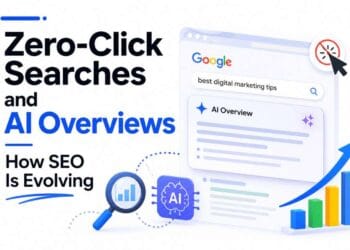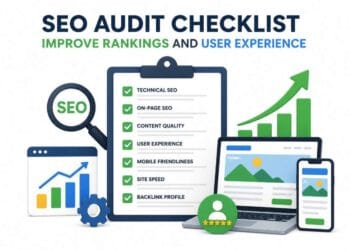

However, SEO in 2026 is more competitive than ever. Google’s AI-powered ranking systems, AI Overviews, voice search, user experience signals, and EEAT standards are reshaping how websites earn visibility.
The good news is that businesses, bloggers, and website owners who follow proven SEO strategies can still achieve significant growth.
This guide covers 25 practical SEO tips that can help increase organic traffic, improve rankings, and strengthen long-term search visibility.
Table of Contents
Why Organic Traffic Is More Important Than Ever
Organic traffic often delivers better long-term ROI than many other marketing channels.
Benefits of Organic Traffic
- Lower acquisition costs.
- Higher trust levels.
- Long-term sustainability.
- Consistent lead generation.
- Improved brand authority.
The websites that consistently rank well typically focus on quality, authority, and user satisfaction.
SEO Tip 1: Focus on Search Intent First
Search intent should guide every SEO decision.
Instead of targeting keywords alone, understand what users want when they perform a search.
Main Types of Search Intent
- Informational.
- Navigational.
- Commercial.
- Transactional.
Content that aligns with intent typically performs better in search results.
SEO Tip 2: Target Long-Tail Keywords
Long-tail keywords often have lower competition and stronger conversion potential.
Example:
- Broad Keyword: SEO Tips
- Long-Tail Keyword: SEO Tips That Can Increase Organic Traffic in 2026
Long-tail keywords help attract highly targeted visitors.
SEO Tip 3: Create Comprehensive Content
Google increasingly rewards content that thoroughly covers a topic.
Aim to answer related questions, explain concepts clearly, and provide actionable information.
Comprehensive Content Benefits
- Improved rankings.
- Higher engagement.
- More backlinks.
- Better AI Overview visibility.
SEO Tip 4: Improve EEAT Signals
Experience, Expertise, Authoritativeness, and Trustworthiness remain critical ranking considerations.
- Show author information.
- Demonstrate expertise.
- Use trustworthy references.
- Maintain content accuracy.
Strong EEAT helps build trust with users and search engines.
SEO Tip 5: Optimize Title Tags Carefully
Your title tag often influences click-through rates.
Best Practices
- Include the focus keyword.
- Keep titles clear.
- Create curiosity.
- Match search intent.
SEO Tip 6: Write Better Meta Descriptions
Although meta descriptions are not direct ranking factors, they influence clicks.
A compelling description can increase organic traffic by improving CTR.
SEO Tip 7: Use Proper Heading Structure
Organized content helps both users and search engines understand page topics.
- One H1 tag.
- Multiple H2 headings.
- Relevant H3 sections.
- Logical hierarchy.
SEO Tip 8: Improve Internal Linking
Internal links help distribute authority throughout your website.
They also improve crawlability and user navigation.
SEO Tip 9: Optimize Images
Images contribute to user experience and search visibility.
Image SEO Checklist
- Descriptive filenames.
- Relevant alt text.
- Compressed images.
- Responsive sizing.
SEO Tip 10: Improve Page Speed
Fast-loading websites often provide better user experiences.
Page speed influences engagement, conversions, and SEO performance.
- Compress assets.
- Reduce scripts.
- Optimize hosting.
- Use caching.
SEO Tip 11: Build Topical Authority
Topical authority has become one of the strongest signals in modern SEO.
Instead of publishing random articles, create clusters of content around a specific subject.
Example SEO Topic Cluster
- Keyword Research Guide
- Technical SEO Guide
- Link Building Strategies
- On-Page SEO Best Practices
- SEO Tools Reviews
- Local SEO Tips
Google is more likely to trust websites that consistently cover a topic in depth.
SEO Tip 12: Use Schema Markup
Schema markup helps search engines understand page content more effectively.
Popular Schema Types
- Article Schema
- FAQ Schema
- How-To Schema
- Breadcrumb Schema
- Organization Schema
- Local Business Schema
Structured data can improve eligibility for rich results and enhanced search features.
SEO Tip 13: Optimize for Featured Snippets
Featured snippets can dramatically increase search visibility.
Google often selects concise answers from well-structured content.
Snippet Optimization Tips
- Answer questions directly.
- Use bullet points.
- Create numbered lists.
- Use clear headings.
- Keep answers concise.
SEO Tip 14: Improve Core Web Vitals
Core Web Vitals measure key aspects of user experience.
Important Metrics
- Largest Contentful Paint (LCP)
- Interaction to Next Paint (INP)
- Cumulative Layout Shift (CLS)
Improving these metrics helps create a faster and more stable browsing experience.
SEO Tip 15: Earn High-Quality Backlinks
Backlinks remain one of the strongest authority signals in SEO.
However, quality matters far more than quantity.
Effective Link Building Methods
- Guest posting.
- Original research.
- Industry outreach.
- Resource page links.
- Digital PR campaigns.
Focus on acquiring relevant links from trustworthy websites.
SEO Tip 16: Update Existing Content Regularly
Refreshing old content can often produce faster gains than publishing new articles.
Content Update Checklist
- Add new information.
- Update statistics.
- Improve examples.
- Optimize keywords.
- Fix outdated links.
Fresh content signals relevance to search engines.
SEO Tip 17: Optimize for AI Search
AI-powered search experiences are becoming increasingly common.
Content should be easy for AI systems to understand and reference.
AI Search Best Practices
- Use clear language.
- Answer questions directly.
- Provide factual information.
- Demonstrate expertise.
- Use logical formatting.
SEO Tip 18: Create Content Around Questions
Many searches are phrased as questions.
Creating content that answers these questions can improve rankings and featured snippet opportunities.
Examples
- What is SEO?
- How does SEO work?
- Why is SEO important?
- How long does SEO take?
SEO Tip 19: Strengthen Mobile SEO
Google primarily evaluates websites using mobile-first indexing.
Your mobile experience should be fast, responsive, and user-friendly.
Mobile SEO Checklist
- Responsive design.
- Fast loading speed.
- Readable text.
- Optimized images.
- Easy navigation.
SEO Tip 20: Optimize for Voice Search
Voice search continues growing through smartphones, smart speakers, and connected devices.
Voice queries are usually conversational and question-based.
Voice Search Optimization Tips
- Target long-tail phrases.
- Create FAQ sections.
- Use natural language.
- Improve local SEO.
- Provide concise answers.
Advanced SEO Strategies for 2026
- Build entity-based content.
- Create topic clusters.
- Improve user engagement.
- Focus on EEAT signals.
- Optimize for AI Overviews.
- Strengthen brand authority.
Common SEO Mistakes to Avoid
- Keyword stuffing.
- Thin content.
- Ignoring technical SEO.
- Poor site structure.
- Slow loading pages.
- Low-quality backlinks.
- Duplicate content.
SEO Tip 21: Improve User Experience (UX)
User experience has become increasingly important for SEO success. Google wants to rank websites that provide visitors with a positive experience.
UX Improvements That Help SEO
- Simple navigation.
- Fast-loading pages.
- Mobile-friendly layouts.
- Clear content structure.
- Easy-to-read typography.
- Reduced intrusive popups.
Better user experiences often lead to longer visits, more page views, and stronger engagement signals.
SEO Tip 22: Build a Strong Brand Presence
Brand authority is becoming a larger factor in search visibility.
Google increasingly recognizes trusted brands and authoritative websites.
Ways to Build Brand Authority
- Publish expert content.
- Maintain consistent branding.
- Earn media mentions.
- Build social proof.
- Encourage customer reviews.
- Develop thought leadership.
Strong brands often attract more backlinks, mentions, and search demand.
SEO Tip 23: Use Content Clusters and Pillar Pages
Content clusters help organize information around a central topic.
This structure improves topical authority and internal linking.
Example SEO Cluster
- Pillar Page: Complete SEO Guide
- Keyword Research Guide
- Technical SEO Guide
- Local SEO Guide
- Link Building Guide
- SEO Tools Guide
Content clusters make it easier for search engines to understand expertise.
SEO Tip 24: Monitor Analytics and Search Data
Successful SEO requires continuous measurement and improvement.
Important Metrics to Track
- Organic traffic.
- Keyword rankings.
- Click-through rates.
- Bounce rates.
- Conversions.
- Page engagement.
Data-driven decisions often lead to better long-term SEO results.
SEO Tip 25: Keep Learning and Adapting
SEO evolves constantly. New technologies, AI-powered search experiences, and algorithm updates continue reshaping search results.
Businesses that adapt quickly often maintain competitive advantages.
Stay Updated By
- Following industry news.
- Monitoring Google updates.
- Testing new strategies.
- Studying competitors.
- Improving content continuously.
SEO success comes from ongoing improvement rather than one-time optimization.
The Ultimate SEO Checklist for 2026
- Understand search intent.
- Target long-tail keywords.
- Create comprehensive content.
- Improve EEAT signals.
- Optimize title tags.
- Write compelling meta descriptions.
- Use proper heading structure.
- Strengthen internal linking.
- Optimize images.
- Improve page speed.
- Build topical authority.
- Implement schema markup.
- Target featured snippets.
- Improve Core Web Vitals.
- Earn quality backlinks.
- Update existing content.
- Optimize for AI search.
- Create question-based content.
- Improve mobile SEO.
- Optimize for voice search.
- Enhance user experience.
- Build brand authority.
- Create content clusters.
- Track analytics.
- Adapt continuously.
Frequently Asked Questions (FAQ)
What is the fastest way to increase organic traffic?
Updating existing high-potential content, improving technical SEO, and targeting long-tail keywords can often produce faster results.
Do backlinks still matter in 2026?
Yes. High-quality backlinks remain one of the strongest authority signals used by search engines.
How important is AI SEO?
AI search optimization is becoming increasingly important as search engines incorporate AI-generated answers and summaries.
How long does SEO take to work?
SEO is a long-term strategy. Many websites begin seeing meaningful improvements within three to six months, depending on competition and optimization efforts.
What is the most important SEO factor?
There is no single ranking factor. Success comes from combining quality content, technical SEO, authority, relevance, and positive user experiences.
Google Discover Optimization Tips
- Create original content.
- Use high-quality featured images.
- Publish expert-driven articles.
- Cover trending topics.
- Maintain EEAT signals.
- Update content frequently.
- Create compelling headlines.
- Focus on audience interests.
Google Discover can become a major traffic source for websites that consistently publish valuable content.
Final Thoughts
Organic traffic remains one of the most valuable digital assets a website can build. While Google’s search ecosystem continues evolving through AI search, voice search, and advanced ranking systems, the fundamentals of SEO remain focused on helping users find trustworthy and useful information.
The 25 SEO tips covered in this guide provide a practical framework for improving rankings, increasing visibility, and driving sustainable traffic growth throughout 2026.
Rather than chasing shortcuts, focus on creating exceptional content, improving technical performance, building authority, and delivering positive user experiences.
Websites that consistently provide value will remain well-positioned to succeed regardless of future algorithm changes.